
- Solution
- Trade Database
- Global
-
RCEP
- Australia Statistics
- China Statistics
- Indonesia
- Indonesia Order
- Indonesia Statistics
- Japan Importer/Exporter
- Japan Statistics
- Malaysia
- New Zealand Statistics
- Philippine
- RCEP-15 Mirror
- Singapore Statistics
- South Korea Import B/L
- South Korea Importer/Exporter
- South Korea Statistics
- Thailand Importer/Exporter
- Thailand Statistics
- Vietnam(VNGD)
- Asia
-
Europe
- Armenia
- Belgium Statistics
- British Importer/Exporter
- EU-27 Mirror
- EU-27 Statistics
- France Statistics
- Germany Statistics
- Italy Statistics
- Kosovo, Serbia
- Moldova
- Netherlands Statistics
- Poland Statistics
- Russia
- Russian Railway
- Russian Railway Domestic Trade
- Russian Railway Transit
- Spanish Importer/Exporter
- Sweden Statistics
- Turkey
- Turkey Order
- Turkey Transit
- Ukraine
- Ukraine Adv
- United Kingdom Statistics
-
America
- Argentina
- Bolivia
- Brazil
- Brazil B/L
- Brazil Statistics
- Chile
- Chile New
- Colombia
- Costa Rica
- Dominican
- Ecuador
- Guatemala
- Guyana
- Mexico (Air)
- Mexico (All Transportation)
- Mexico (Maritime)
- Nicaragua
- Nicaragua Weekly
- Panama
- Paraguay
- Peru
- Peru B/L (Air + Sea)
- Uruguay
- US B/L (Daily)
- US B/L (Weekly)
- Venezuela
- Venezuela Bills
- Africa
- Media
- Contact Intelligence
- Get a Trial
Please Sign in to view recently saved searches
India
About India global trade information, exclusive product market analysis, hot news and reports.
-
05 Feb 2026
U.S.–India Tariff Deal Reshapes China–U.S.–India Trade Balance
A new U.S.–India trade deal effective February 3 slashes tariffs on Indian exports from 50% to 18%, altering price competitiveness in the U.S. market and reshaping trade dynamics among China, the U.S. and India.

-
03 Feb 2026
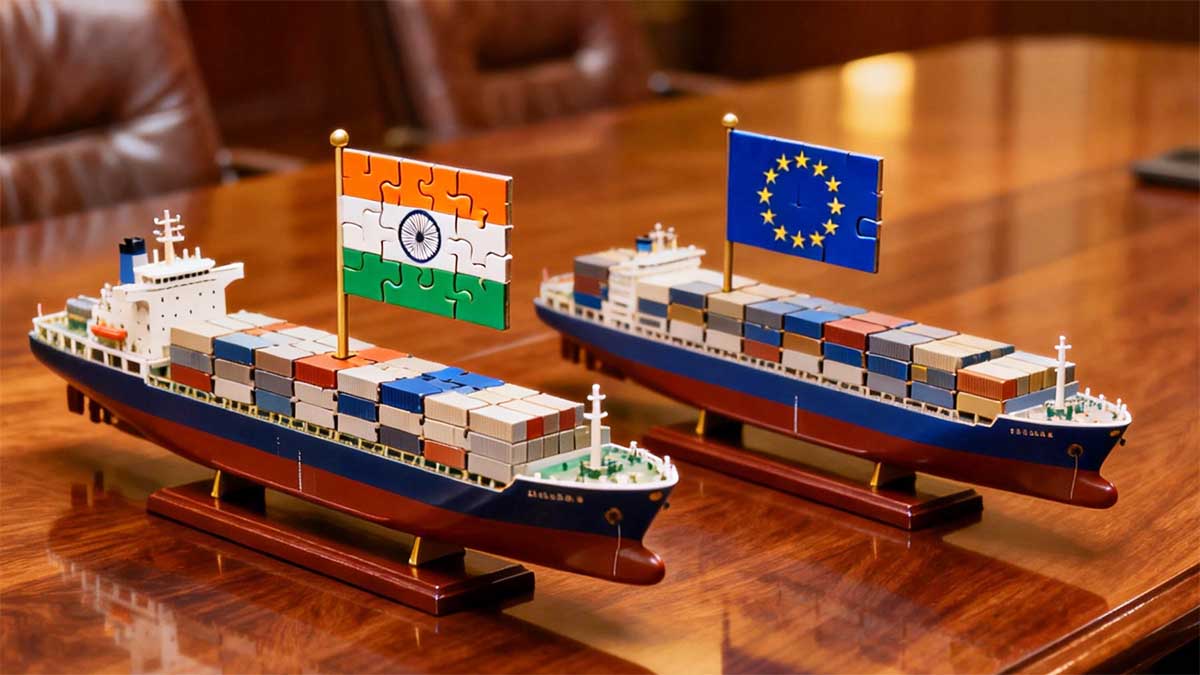
India–EU Free Trade Deal Signed After 19 Years, Reshaping Global Trade
India and the EU signed a landmark free trade agreement on January 27, 2026, after 19 years of talks. Covering 25% of global GDP, the deal is set to reshape trade flows, supply chains and global competition.
-
26 Jan 2026
India to Slash Tariffs on EU Cars in Historic Free Trade Deal
India plans to reduce import tariffs on European cars from 110% to 40%, marking a significant opening of its automotive market. This move is part of an upcoming EU-India free trade agreement, boosting bilateral trade.

-
23 Jan 2026
Russian Urals Crude to China Hits Record Low as India Cuts Demand
Russian Urals crude prices to China have fallen to record lows as weaker Indian demand and US sanctions pressure exports, boosting Chinese imports and reshaping Russia's oil trade flows.

-
19 Dec 2025
India's Solar Manufacturing Expansion Reshapes Global Equipment Trade Dynamics
India's rapid expansion of solar manufacturing capacity is reshaping its trade structure and creating significant opportunities for foreign — particularly Chinese — suppliers of high-end production equipment.

-
05 Dec 2025
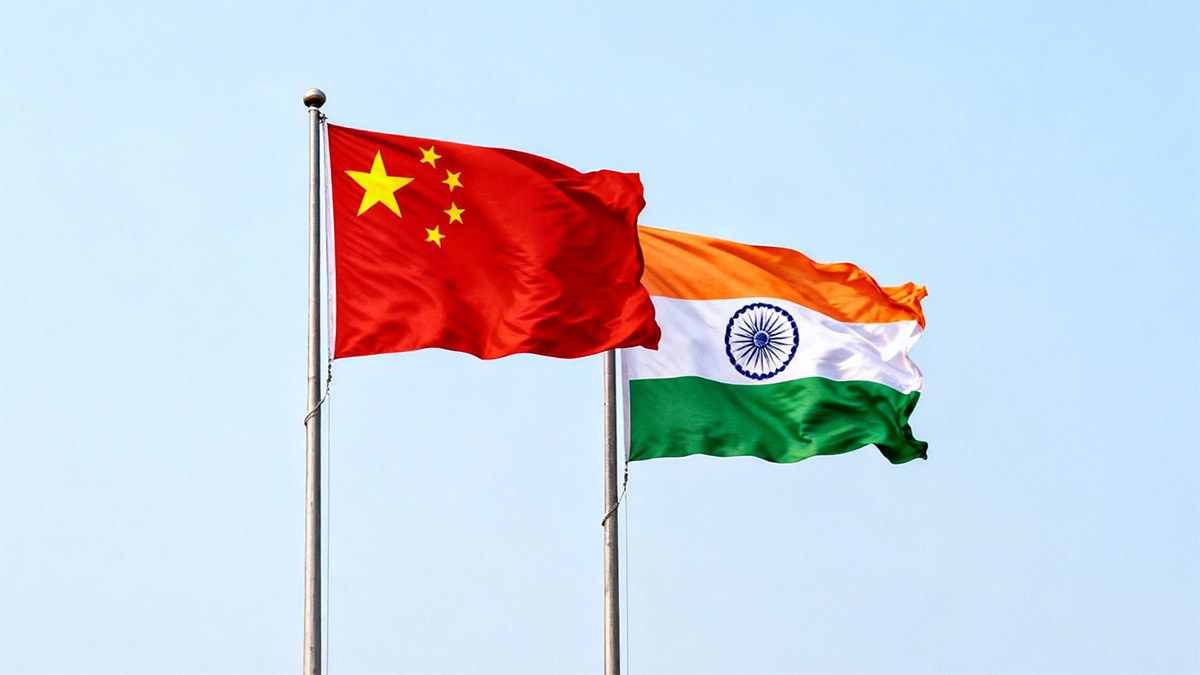
India Eases Market Controls and Reopens Visas to Chinese Citizens
India has revoked QCOs for 21 chemical, polymer, and metal-related products after fully restoring tourist visas for Chinese citizens.
-
07 May 2025
China Imposes Anti-Dumping Duties on Indian Imports of Cypermethrin Starting May 7
Effective May 7, 2025, China will impose anti-dumping duties on imports of cypermethrin originating from India
-
07 May 2025
India Bans Imports from Pakistan Amid Rising Tensions
On May 3, India's Directorate General of Foreign Trade (DGFT) issued a notice announcing an immediate ban on the import of goods originating from or transiting through Pakistan.

-
18 Apr 2025
India Issues 187 Quality Control Orders Covering 769 Products Under Mandatory BIS Certification
ccording to a recent announcement by the Press Information Bureau (PIB) of India, a total of 187 Quality Control Orders (QCOs) have been issued by regulatory bodies across various sectors.

-
10 Mar 2025
India Revises Import Regulations for Telecom Equipment Testing
This revision represents a pragmatic approach by the Indian government to balance domestic and international interests while enhancing quality control.