- Solution
- Trade Database
- Global
-
RCEP
- Australia Statistics
- China Statistics
- Indonesia
- Indonesia Order
- Indonesia Statistics
- Japan Importer/Exporter
- Japan Statistics
- Malaysia
- New Zealand Statistics
- Philippine
- RCEP-15 Mirror
- Singapore Statistics
- South Korea Import B/L
- South Korea Importer/Exporter
- South Korea Statistics
- Thailand Importer/Exporter
- Thailand Statistics
- Vietnam(VNGD)
- Asia
-
Europe
- Armenia
- Belgium Statistics
- British Importer/Exporter
- EU-27 Mirror
- EU-27 Statistics
- France Statistics
- Germany Statistics
- Italy Statistics
- Kosovo, Serbia
- Moldova
- Netherlands Statistics
- Poland Statistics
- Russia
- Russian Railway
- Russian Railway Domestic Trade
- Russian Railway Transit
- Spanish Importer/Exporter
- Sweden Statistics
- Turkey
- Turkey Order
- Turkey Transit
- Ukraine
- Ukraine Adv
- United Kingdom Statistics
-
America
- Argentina
- Bolivia
- Brazil
- Brazil B/L
- Brazil Statistics
- Chile
- Chile New
- Colombia
- Costa Rica
- Dominican
- Ecuador
- Guatemala
- Guyana
- Mexico (Air)
- Mexico (All Transportation)
- Mexico (Maritime)
- Nicaragua
- Nicaragua Weekly
- Panama
- Paraguay
- Peru
- Peru B/L (Air + Sea)
- Uruguay
- US B/L (Daily)
- US B/L (Weekly)
- Venezuela
- Venezuela Bills
- Africa
- Media
- Contact Intelligence
- Get a Trial
Please Sign in to view recently saved searches
Strait of Hormuz
About Strait of Hormuz global trade information, exclusive product market analysis, hot news and reports.
-
18 May 2026
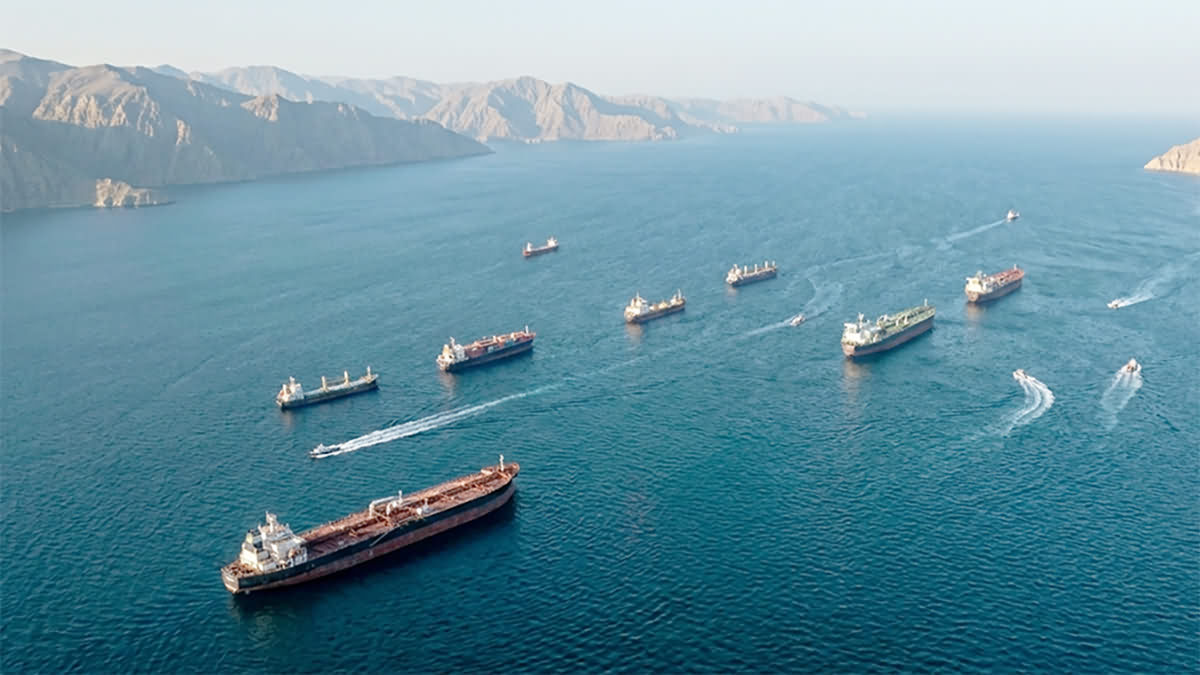
Oil Prices Surge 4% as Iran Talks Collapse, Hormuz Freezes
Oil jumped over 4% on May 15 as U.S.-Iran nuclear talks broke down and Strait of Hormuz tanker traffic froze, pushing WTI above $105 and Brent past $109 per barrel.
-
13 May 2026
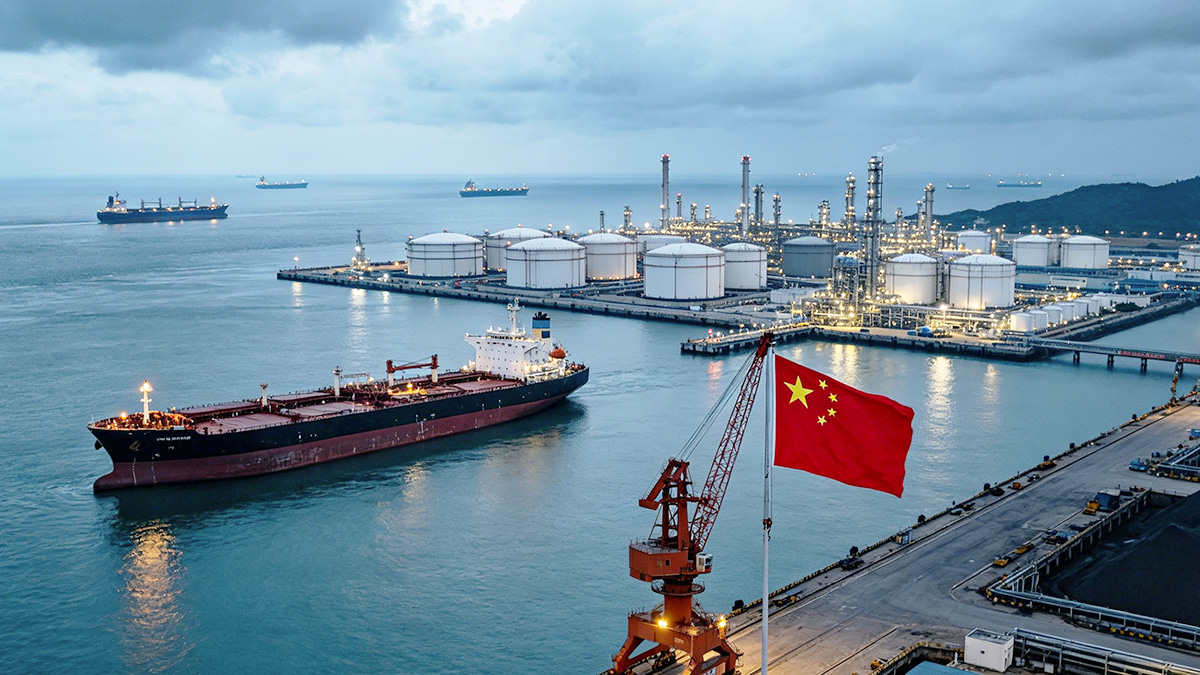
China Shows Energy Resilience Amid Global Oil and LNG Crisis
As the Strait of Hormuz blockade triggers the largest global oil and LNG supply disruption in decades, China strengthens energy security through strategic reserves, diversified imports and rapid market stabilization measures.
-
13 May 2026
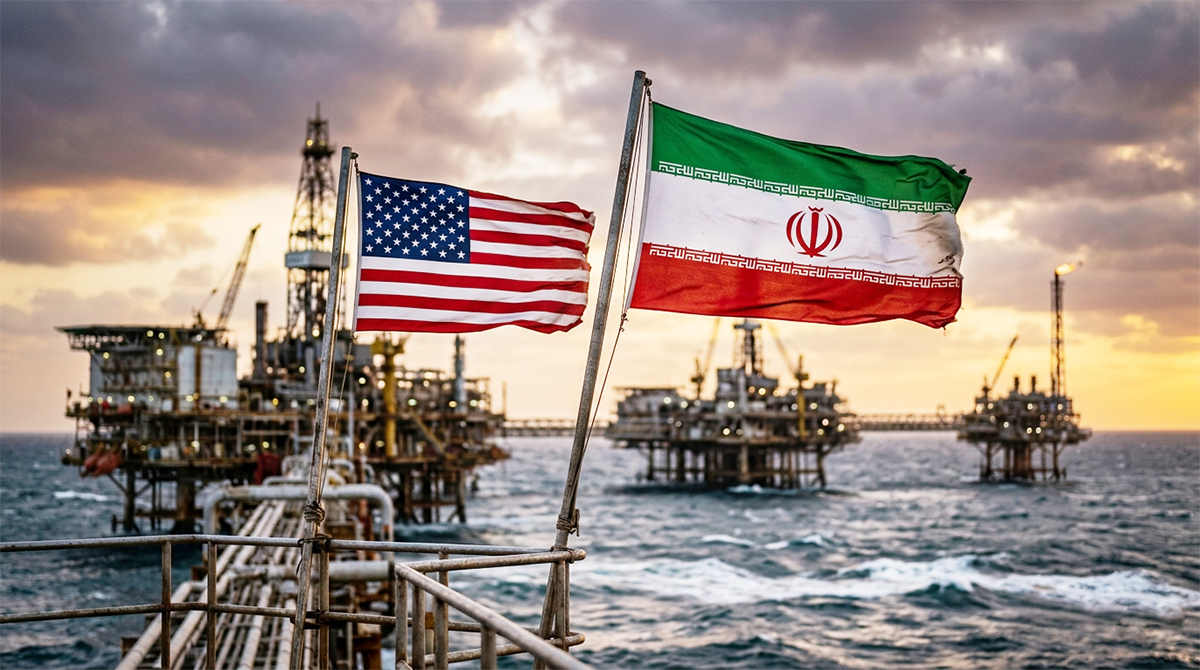
Trump Says U.S. Does Not Need China to End Iran War
Trump said the United States can end the Iran war without China’s help as tensions in the Strait of Hormuz intensify, oil prices surge, and peace talks remain stalled.
-
28 Apr 2026
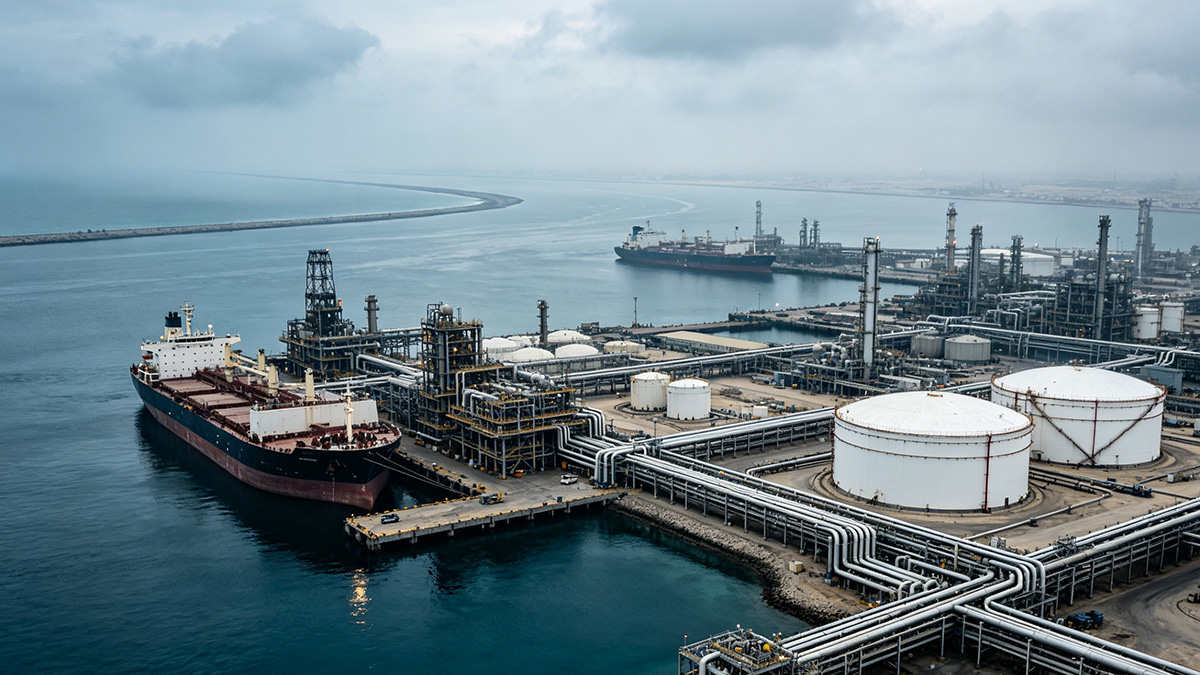
Iraq Oil Exports Collapse as Strait of Hormuz Closure Triggers Crisis
Iraq's oil exports have plunged as the Strait of Hormuz closure disrupts shipments, cuts billions in revenue, and exposes major risks to global energy markets and investors.
-
18 Mar 2026
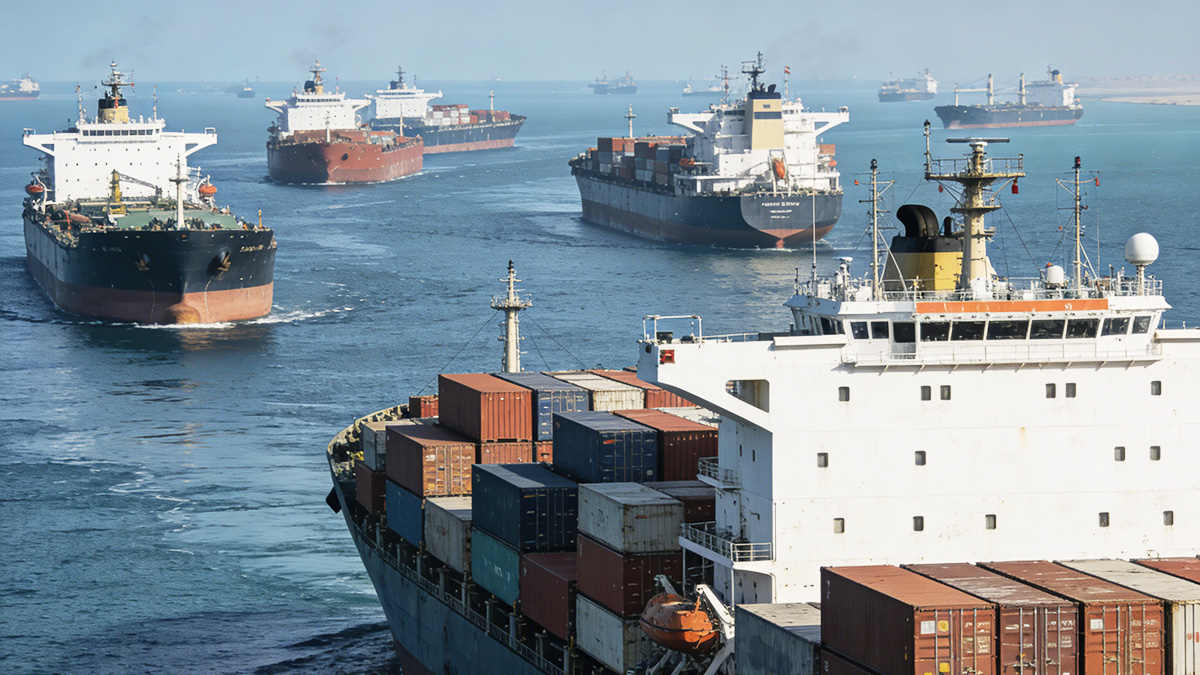
Strait of Hormuz Conflict Disrupts Global Shipping, Costs Soar
Ongoing U.S.-Israel-Iran hostilities have blocked the Strait of Hormuz, slashing vessel traffic, spiking freight, insurance, and fuel costs, and forcing global supply chains to reroute.
-
16 Mar 2026
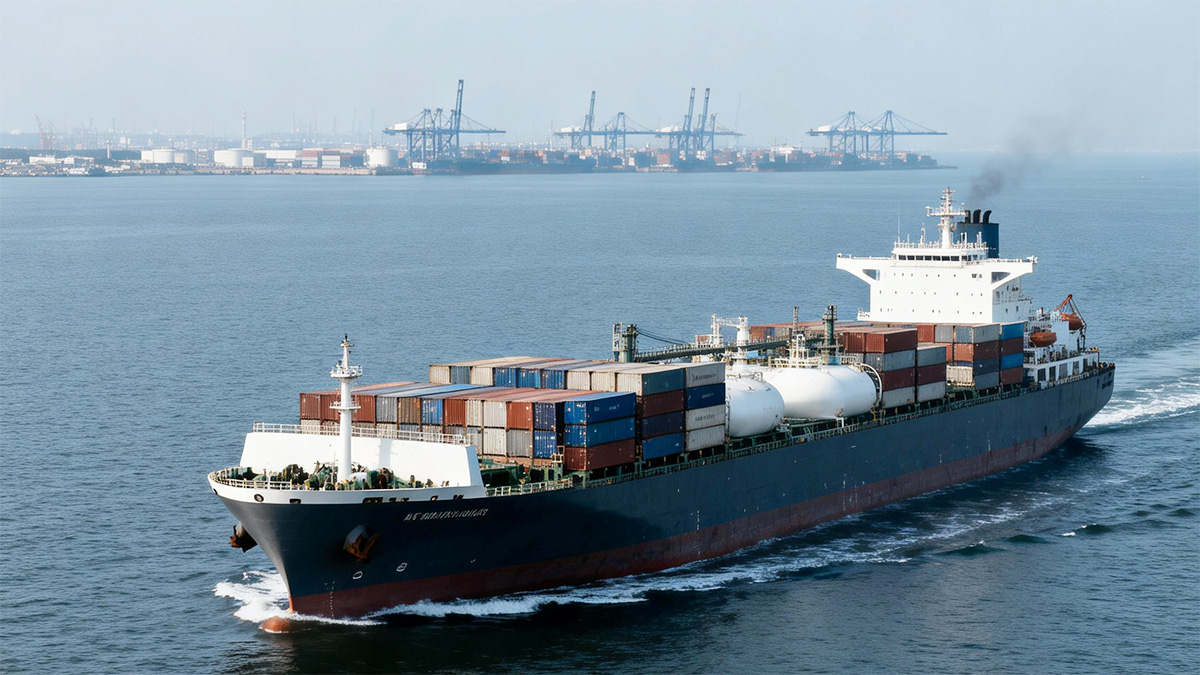
US Dichloroethane Exports Jump Amid Global Supply Shortages
Rising costs, tight supplies, and geopolitical disruptions drive US dichloroethane exports higher, as Asia and Europe face shortages and surging freight rates.
-
16 Mar 2026
Middle East War Disrupts Global Oil and China's Chemical Supply
The U.S.-Iran conflict and Strait of Hormuz disruptions cut global oil supply, prompting China to shift chemical output to fuel, impacting petrochemical production and downstream industries.

-
11 Mar 2026
Hormuz Strait Disruption Pushes Oil Above $100, Raises Europe Energy Risks
Rising tensions in the Middle East have disrupted shipping through the Hormuz Strait, pushing oil above $100 and triggering sharp volatility in global oil and gas markets while raising concerns over Europe's energy supply.