
- Solution
- Trade Database
- Global
-
RCEP
- Australia Statistics
- China Statistics
- Indonesia
- Indonesia Order
- Indonesia Statistics
- Japan Importer/Exporter
- Japan Statistics
- Malaysia
- New Zealand Statistics
- Philippine
- RCEP-15 Mirror
- Singapore Statistics
- South Korea Import B/L
- South Korea Importer/Exporter
- South Korea Statistics
- Thailand Importer/Exporter
- Thailand Statistics
- Vietnam(VNGD)
- Asia
-
Europe
- Armenia
- Belgium Statistics
- British Importer/Exporter
- EU-27 Mirror
- EU-27 Statistics
- France Statistics
- Germany Statistics
- Italy Statistics
- Kosovo, Serbia
- Moldova
- Netherlands Statistics
- Poland Statistics
- Russia
- Russian Railway
- Russian Railway Domestic Trade
- Russian Railway Transit
- Spanish Importer/Exporter
- Sweden Statistics
- Turkey
- Turkey Order
- Turkey Transit
- Ukraine
- Ukraine Adv
- United Kingdom Statistics
-
America
- Argentina
- Bolivia
- Brazil
- Brazil B/L
- Brazil Statistics
- Chile
- Chile New
- Colombia
- Costa Rica
- Dominican
- Ecuador
- Guatemala
- Guyana
- Mexico (Air)
- Mexico (All Transportation)
- Mexico (Maritime)
- Nicaragua
- Nicaragua Weekly
- Panama
- Paraguay
- Peru
- Peru B/L (Air + Sea)
- Uruguay
- US B/L (Daily)
- US B/L (Weekly)
- Venezuela
- Venezuela Bills
- Africa
- Media
- Contact Intelligence
- Get a Trial
Please Sign in to view recently saved searches
Crude Oil
About Crude Oil global trade information, exclusive product market analysis, hot news and reports.
-
14 Jul 2026
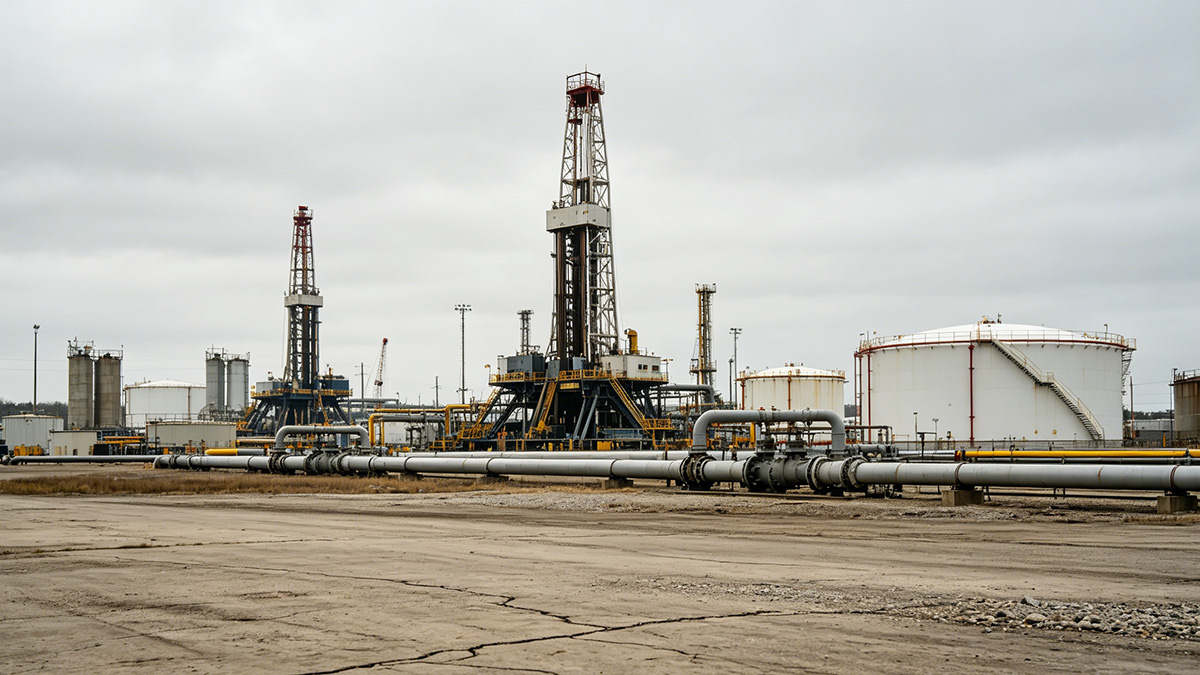
Venezuela Oil Output Holds Steady After Earthquake Crisis
Venezuela's oil production remained stable after late-June earthquakes, but recovery efforts, new oil reforms and investor concerns highlight deeper challenges facing the energy sector.
-
07 Jul 2026
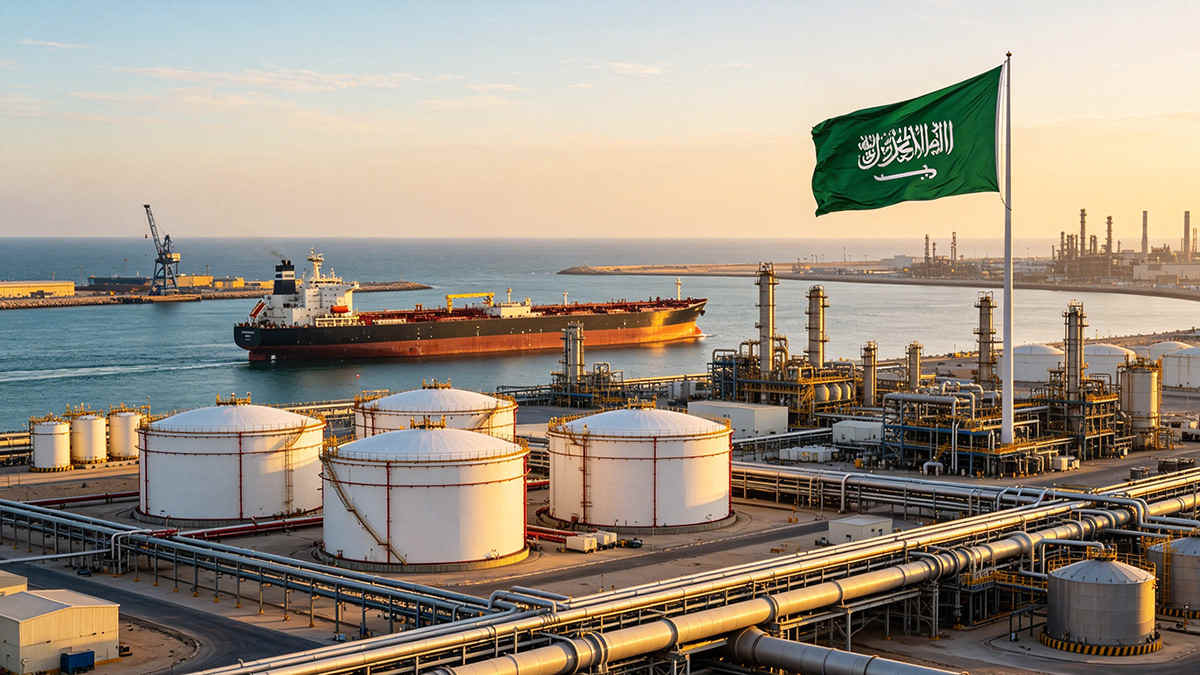
Saudi Aramco Slashes Oil Prices as Global Supply Rises
Saudi Aramco cuts August crude prices by a record $11 per barrel for Asia as Middle East supply recovers, OPEC+ raises output, and global oil market competition intensifies.
-
29 Jun 2026
Middle East Oil Output Surges as 2 Million Bpd Returns in Weeks
Middle East oil output rebounds as 2 million bpd returns in three weeks, pushing Brent near $73 while Iran and Saudi-led flows reshape global supply outlook

-
29 Jun 2026
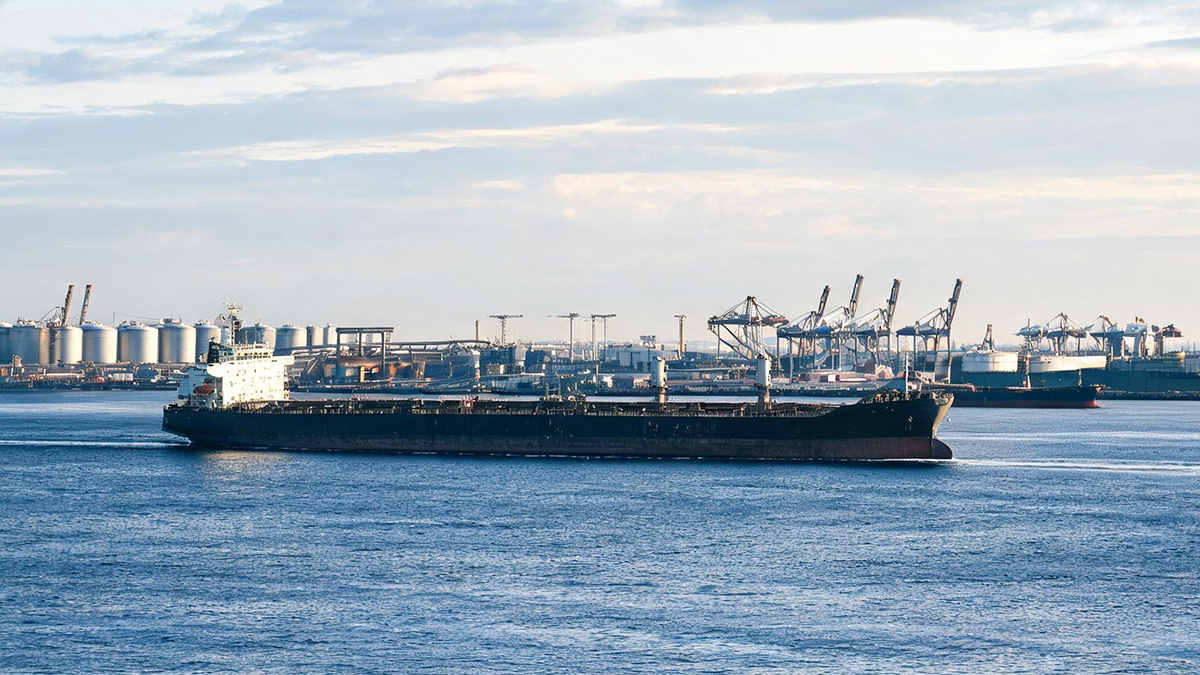
Why Brent and WTI Matter More Than Middle Eastern Crude Prices
As U.S.-Iran tensions fuel oil market volatility, understanding the roles of Brent, WTI and Middle Eastern crude reveals why benchmark prices drive markets while physical supply shapes global energy security.
-
25 Jun 2026
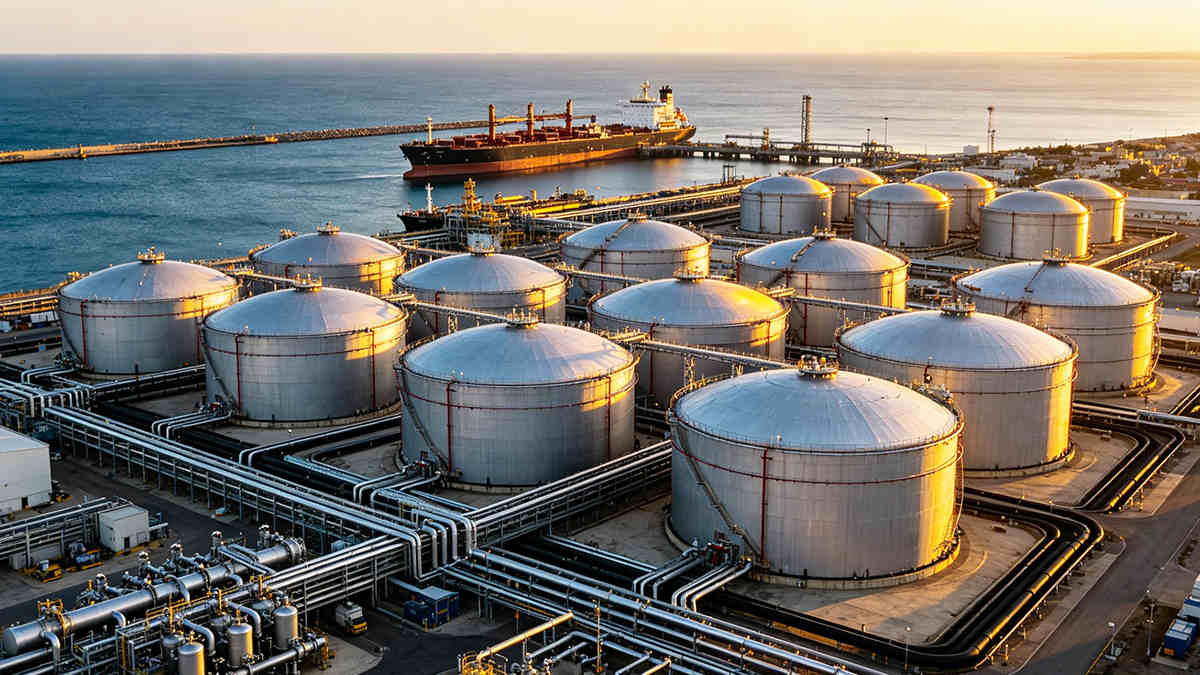
Global Oil Storage Expansion Could Drive 1 Billion Barrel Demand
Countries are expanding strategic oil reserves after the Strait of Hormuz disruption, with global storage projects and inventory replenishment potentially absorbing 1 billion barrels.
-
25 May 2026
Oil Prices Fall Over 5% as US–Iran Talks Advance, Supply Focus
Oil prices dropped more than 5% after progress in US–Iran peace talks raised expectations over Strait of Hormuz stability, shifting market focus to supply outlook and diplomacy.

-
18 May 2026
Oil Prices Surge 4% as Iran Talks Collapse, Hormuz Freezes
Oil jumped over 4% on May 15 as U.S.-Iran nuclear talks broke down and Strait of Hormuz tanker traffic froze, pushing WTI above $105 and Brent past $109 per barrel.

-
07 May 2026
Oil Prices Drop on US-Iran Peace Talk Optimism, Supply Relief
Global oil prices fell sharply as optimism over US–Iran peace talks eased Middle East supply risks, with WTI and Brent dropping to two-week lows despite continued US inventory draws.

-
15 Apr 2026
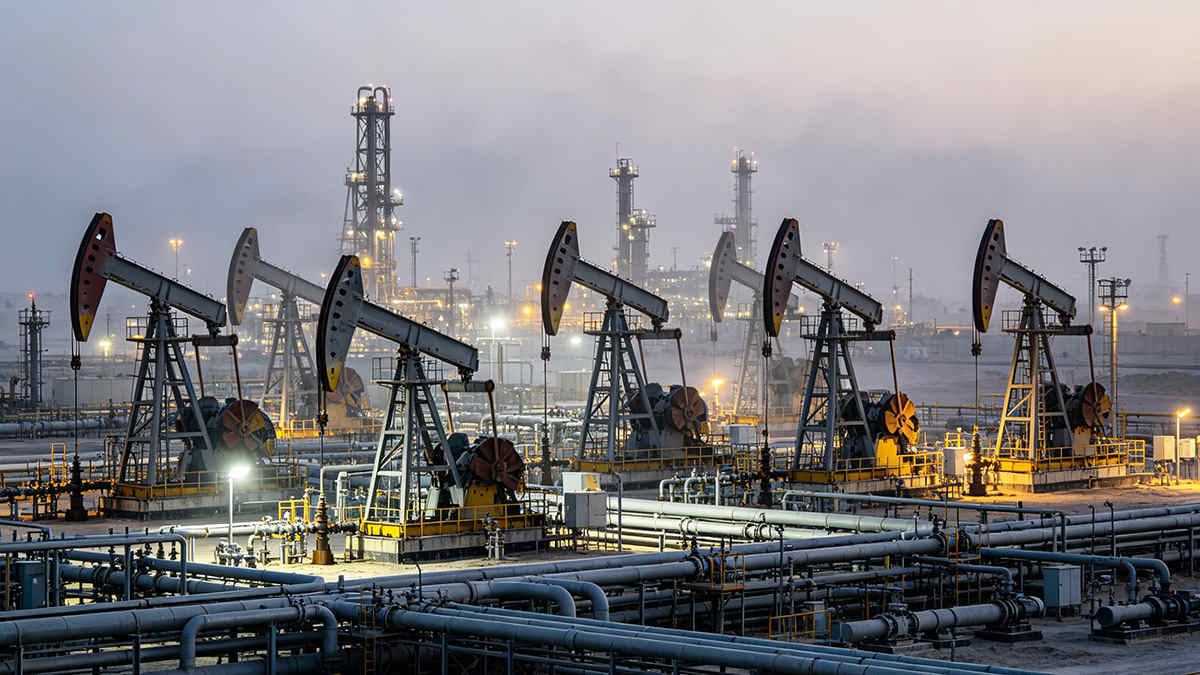
OPEC Cuts Q2 Oil Demand Forecast, Keeps Full-Year Outlook
OPEC lowered its Q2 2026 global oil demand forecast by 500,000 bpd due to Middle East disruptions but maintained full-year growth expectations, signaling temporary weakness in near-term demand.
-
19 Mar 2026
Middle East Tensions Push China's Orthoxylene Prices to Record Highs
Geopolitical conflict in the Middle East drives WTI crude above $95, fueling surging costs and tight supply in China's orthoxylene market, sparking historic price swings and industry volatility.

-
16 Mar 2026
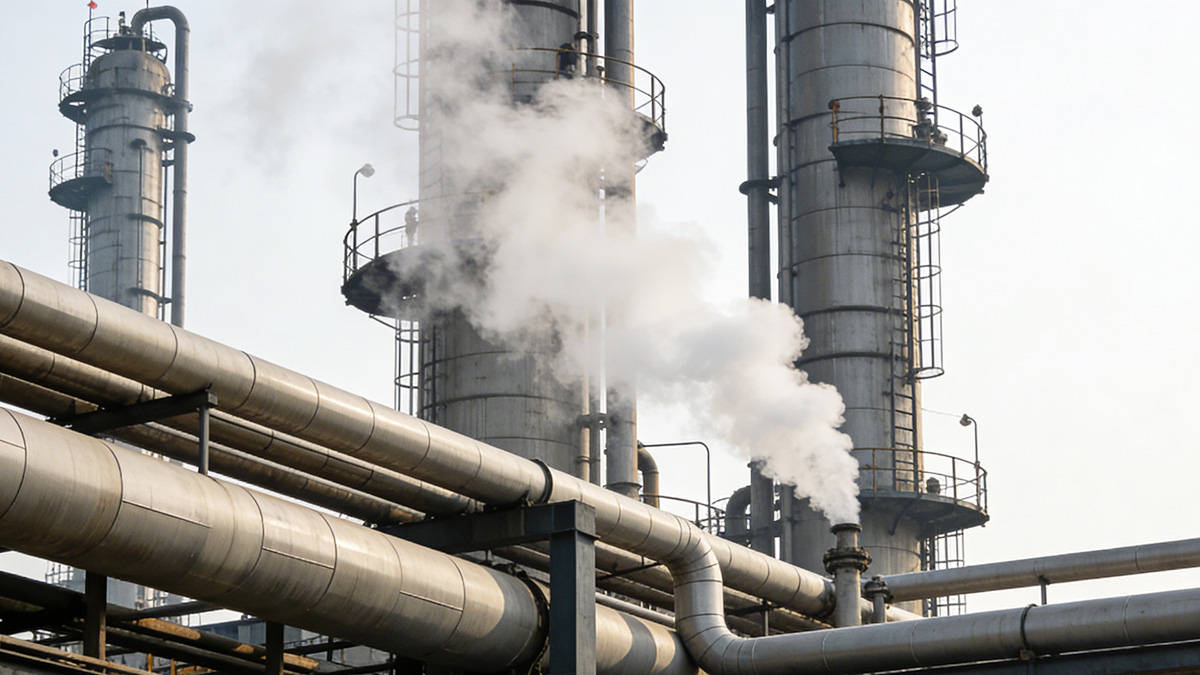
Middle East War Disrupts Global Oil and China's Chemical Supply
The U.S.-Iran conflict and Strait of Hormuz disruptions cut global oil supply, prompting China to shift chemical output to fuel, impacting petrochemical production and downstream industries.
-
13 Mar 2026
Oil Prices Soar Above $100 Despite IEA's 400M-Barrel Release
The IEA's historic 400M-barrel strategic oil release offered limited relief as Brent crude jumped past $100 and WTI neared $96 amid US-Israel strikes on Iran.

-
12 Mar 2026
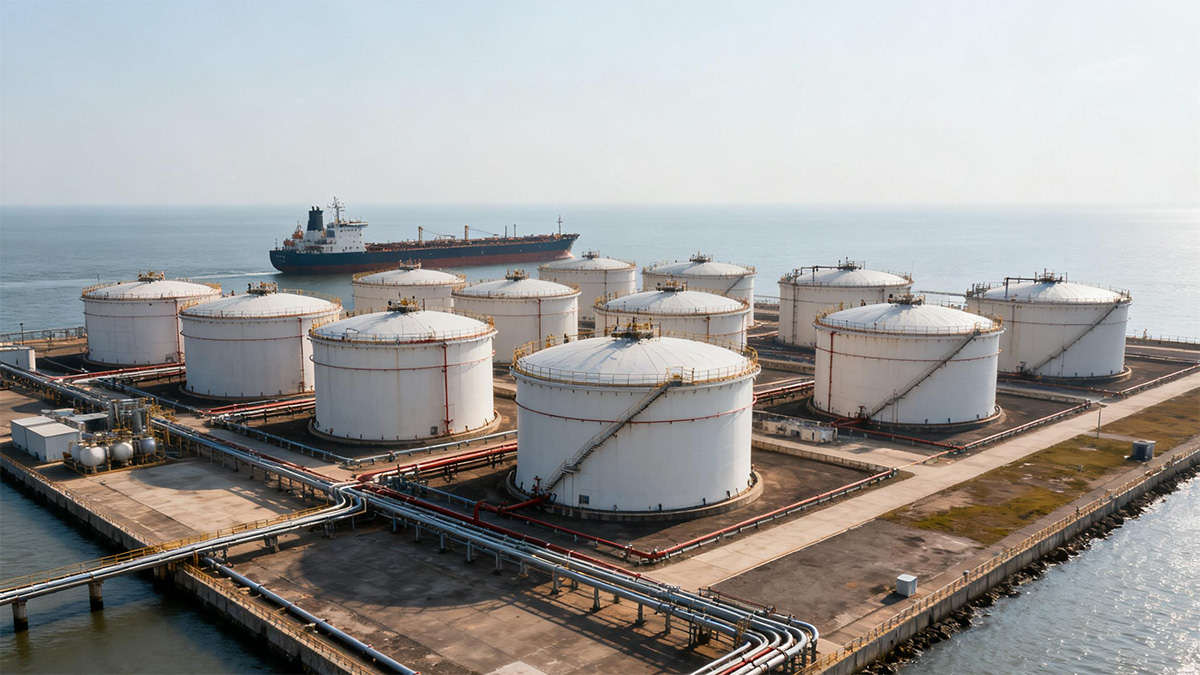
IEA Unleashes 400M Barrels Amid Middle East Oil Supply Crisis
The IEA's record 400 million-barrel release aims to ease oil supply disruptions from Middle East tensions, with the U.S., Japan, and Europe contributing to stabilize global markets.
-
10 Mar 2026
Oil Prices Reverse Sharply as Middle East Tensions Ease
Global oil prices plunged after a rapid surge as expectations of easing Middle East tensions erased the geopolitical premium, sending WTI and Brent crude sharply lower within 24 hours.