
Chemical
About Chemical global trade information, exclusive product market analysis, hot news and reports.
-
11 Mar 2026
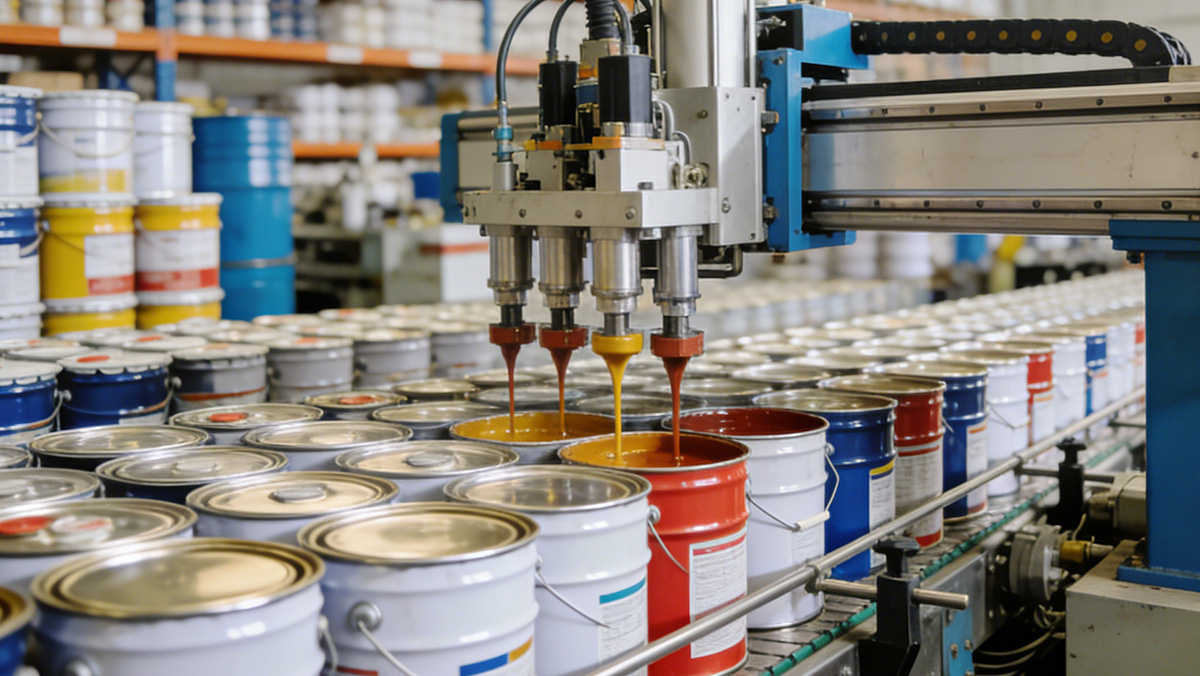
China Coatings Industry 2025: Output Down, Profits Rise
China's coatings industry produced 34.6 million tonnes in 2025, down 7.1% year-on-year, while profits rose 11.5%. Export growth contrasted with weaker pigment trade as Middle East tensions raise supply chain cost risks.
-
11 Mar 2026
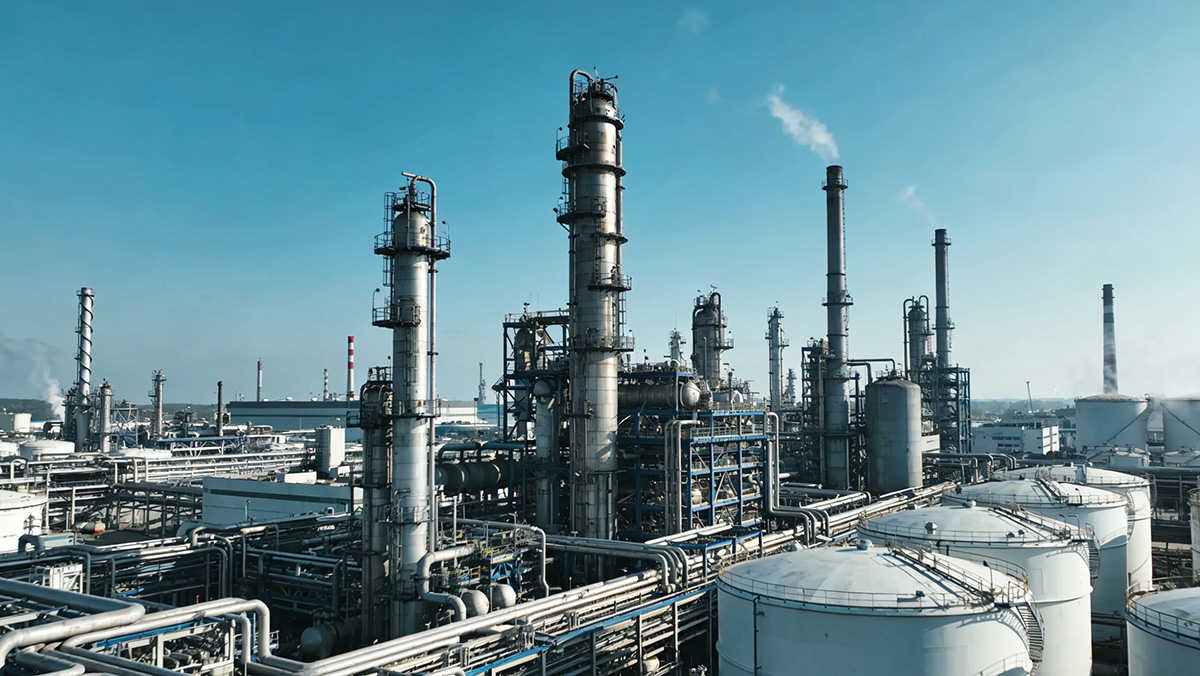
Europe Chlorine Output Falls 12% in January 2026
Europe's chlorine production dropped to 637,100 tonnes in January 2026, down 12% year on year, while chlor-alkali plant utilization fell to 65.5% and caustic soda inventories declined to 216,000 tonnes.
-
10 Mar 2026
Hormuz Strait Disruption Threatens Japan and Korea Energy Supply
The closure of the Strait of Hormuz is severely threatening Japan and South Korea's energy and petrochemical supply chains, disrupting crude imports, raising shipping costs, and driving volatility across regional chemical markets.

-
10 Mar 2026
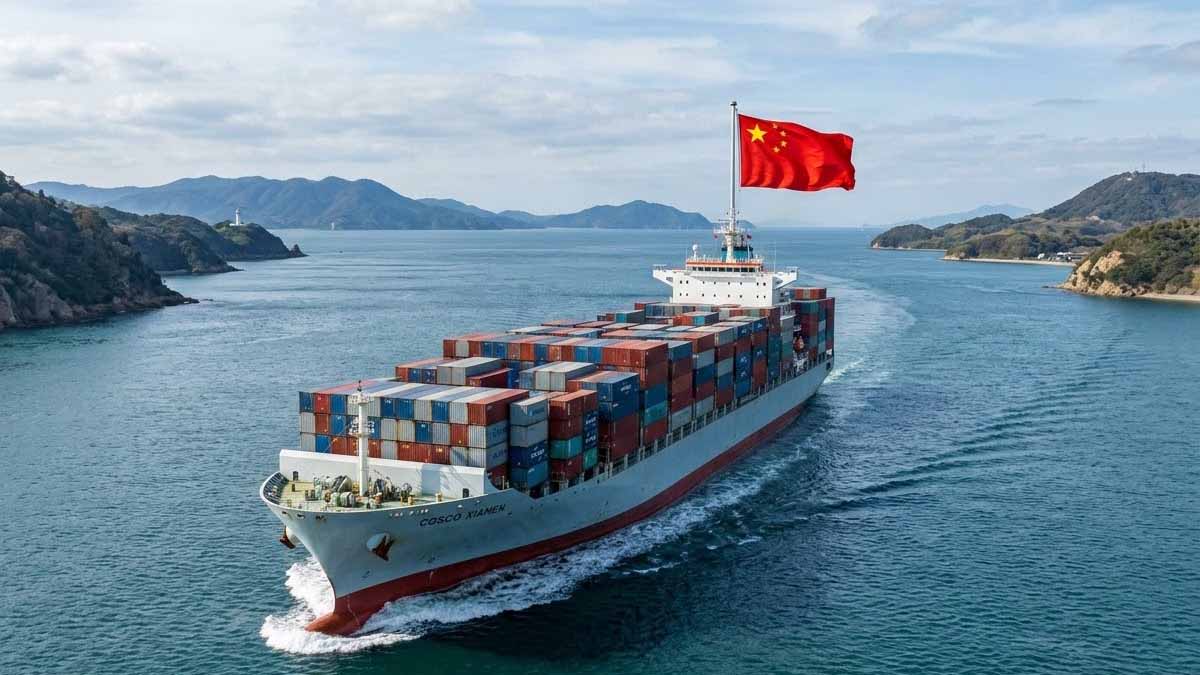
Hormuz Strait Disruption Threatens China–Middle East Chemical Trade
A blockade of the Strait of Hormuz is disrupting Middle East energy exports and raising risks for China's chemical trade, threatening supply chains, imports of key feedstocks, and exports heavily reliant on Gulf markets.
-
09 Mar 2026
China PPI Falls 0.9% YoY in February 2026, Monthly Prices Rise
China's Producer Price Index fell 0.9% year-on-year in February 2026, while rising 0.4% month-on-month. Purchase prices declined 0.7% annually, with strong gains in non-ferrous metal materials.
-
06 Mar 2026
Middle East Conflict Sends Global Oil Prices Soaring
Oil prices jumped sharply as escalating Middle East tensions raised fears of supply disruptions, with U.S. crude posting its biggest one-day gain since 2020 and gasoline prices rising nationwide.

-
06 Mar 2026
Middle East Tensions Drive Sharp Surge in Asia PE Prices
Polyethylene prices in Asia surged after escalating Middle East tensions disrupted supply expectations, pushed crude oil higher, and raised freight risks, tightening global PE markets and driving sharp price increases.

-
05 Mar 2026
Global PVC Market Trends: U.S. and Europe Rise, India Weakens
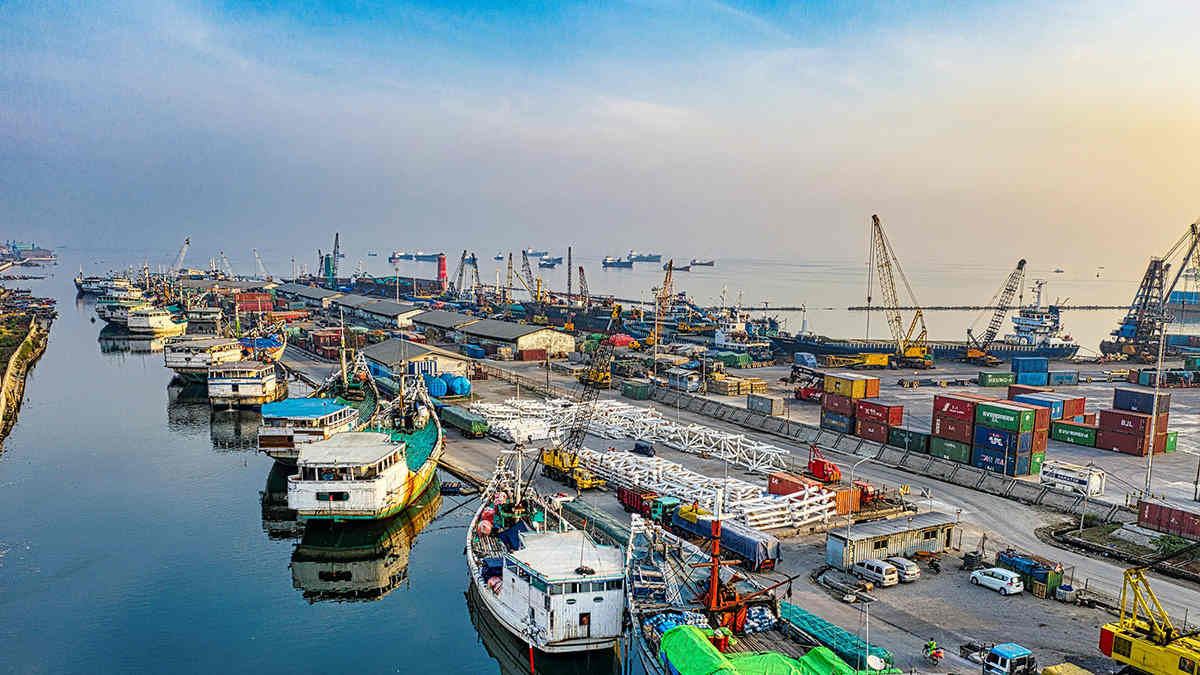
The global Polyvinyl Chloride market shows diverging trends, with stronger export prices in the United States and Northwest Europe, stable demand in Southeast Asia, and a softer market in India amid oversupply and policy uncertainty.
-
05 Mar 2026
Hormuz Strait Closure Triggers Oil Surge and Global Chemical Supply Shock
Iran's halt of shipping through the Strait of Hormuz has pushed oil prices sharply higher and disrupted exports of methanol, urea, and petrochemicals, raising supply risks and cost pressure across global and Asian markets.

-
04 Mar 2026
China Textile, Paper, Rubber Sectors: Dec 2025 Data
Latest December 2025 data from the National Bureau of Statistics of China details assets, liabilities, costs and profits across China's textile, paper and rubber & plastics industries.

-
04 Mar 2026
China Sulfur Prices Surge 7% Amid Hormuz Disruption
China's sulfur prices climbed over 7% after shipping through the Strait of Hormuz stalled, tightening Middle East supply, raising import costs, and amplifying geopolitical risk premiums.
-
04 Mar 2026
Middle East Conflict Disrupts Global Chemical Trade
Rising tensions around the Strait of Hormuz are disrupting methanol, fertilizers, and petrochemical flows, driving price volatility and reshaping global chemical supply chains.

-
03 Mar 2026
US Coal-to-Chemicals Strategy Reshapes Energy Security
The United States is accelerating coal-to-ammonia, hydrogen and advanced materials projects to secure energy, food and AI power demand, signaling a major shift in global coal and chemical supply chains.

-
03 Mar 2026
China TCCA Imports Rise, Exports Dip in December 2025
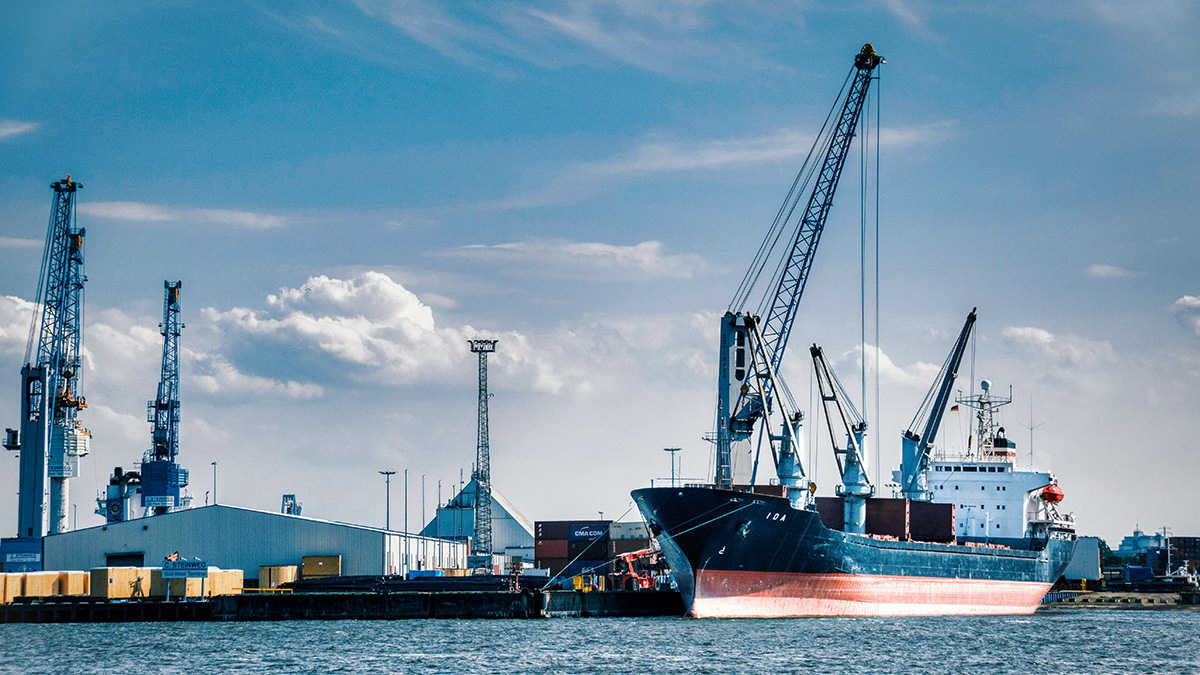
China's December 2025 TCCA imports surged year-on-year, while exports fell 18.3%, despite full-year export growth of 8.2%, with Mexico, the U.S., and Spain remaining key markets.
-
02 Mar 2026
China Methanol Prices Surge Amid Israel-Iran Conflict Risks
China's methanol market jumps ahead of holiday as geopolitical tensions in Israel and Iran threaten supply, while crude oil gains support from potential Middle East disruptions.

-
02 Mar 2026
China Monochloroacetic Acid Trade Drops in 2025
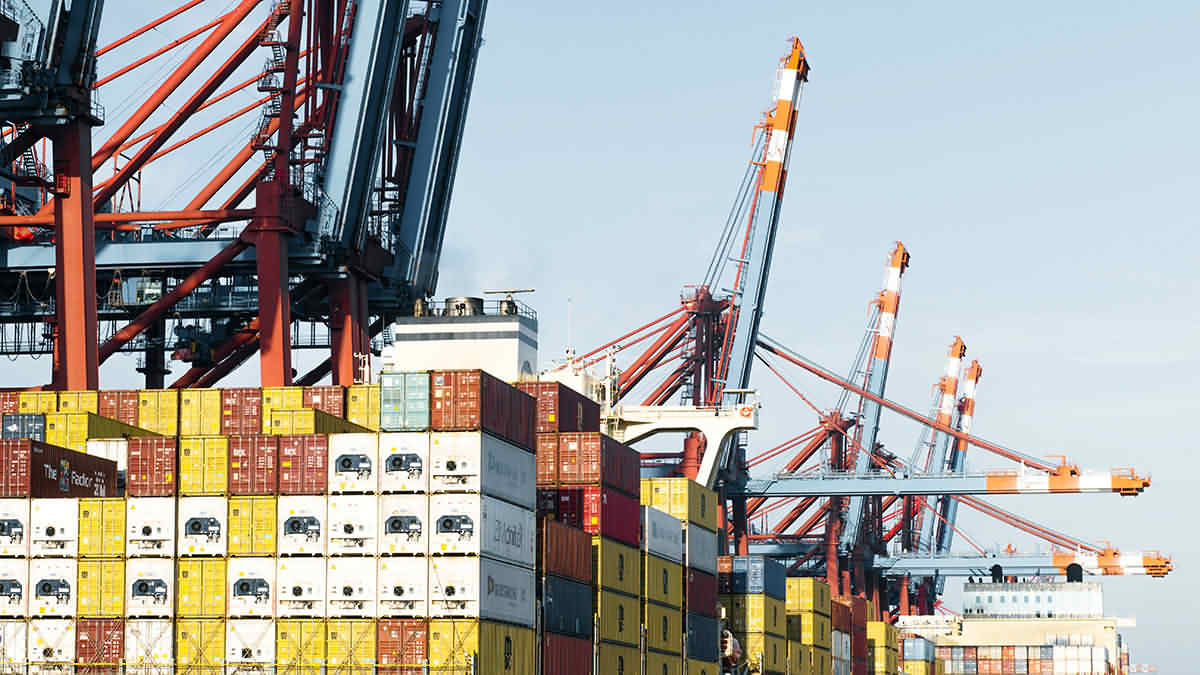
China's monochloroacetic acid imports and exports fell sharply in December 2025, with full-year trade volumes also declining year on year, according to official customs data.
-
27 Feb 2026
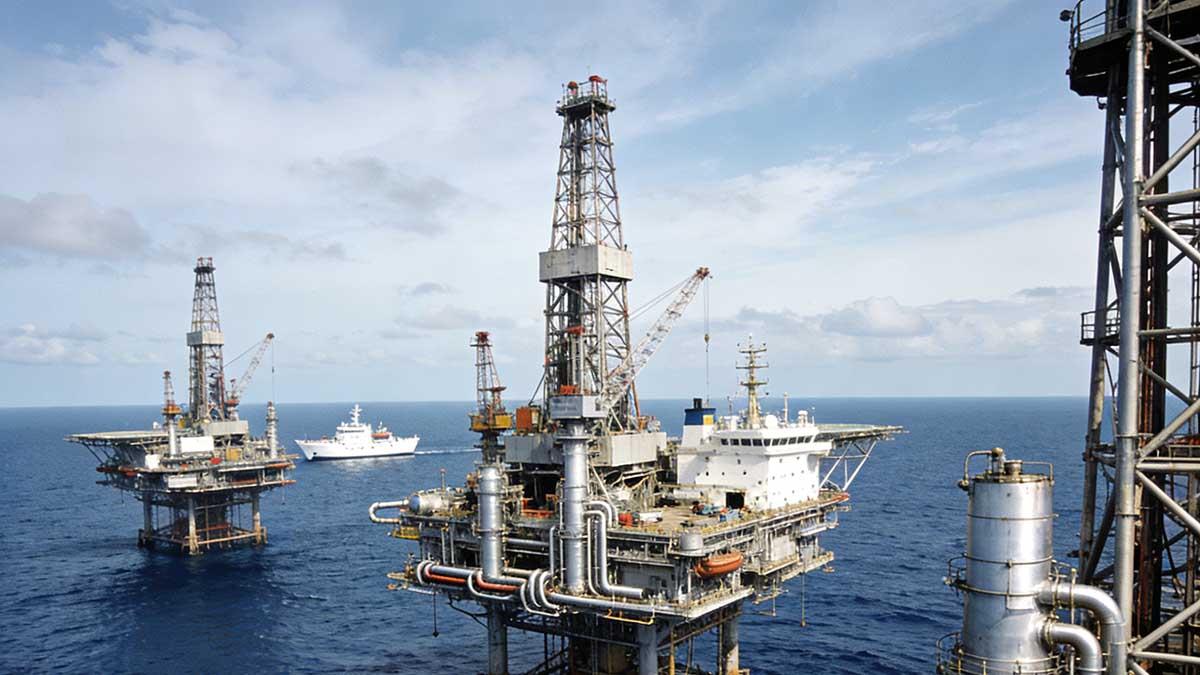
US–Iran Geneva Talks Put Global Oil Prices on Edge
As US–Iran negotiations resume in Geneva, Brent holds near $71 and WTI trades at $65–66, with markets pricing in a $7–10 geopolitical risk premium tied to sanctions and Strait of Hormuz supply risks.
-
27 Feb 2026
US Elevates Phosphorus and Glyphosate to National Priority
The US has designated phosphorus and glyphosate as national security priorities, citing risks to defense supply chains, semiconductor production, agriculture and battery materials demand.

-
27 Feb 2026
China Hydrochloric Acid Exports Jump 87.2% in 2025
China's hydrochloric acid exports surged 87.2% in 2025 to 33,079.3 tonnes, while imports fell 8.9%, with Indonesia remaining the top export destination, customs data show.

-
27 Feb 2026
KOREA CHEM 2026: Where Chemical Processing Innovation Meets Asia's Industrial Future
KOREA CHEM 2026, Korea's premier chemical processing and specialty chemicals exhibition, will take place March 31–April 3 at KINTEX 1, showcasing advanced equipment, automation, and industrial solutions.

-
26 Feb 2026
China API Exports Enter 3.0 Era, Reshaping Global Pharma
China's active pharmaceutical ingredient (API) sector is shifting from bulk exports to ecosystem leadership, backed by 45% of global FDA filings and $130 billion in innovative API licensing deals.

-
26 Feb 2026
China Plastic Products Output Down 0.2% in 2025
China's plastic products output fell 3.5% year on year in December 2025, while full-year production slipped 0.2%, according to the National Bureau of Statistics of China, with eastern provinces leading supply.

-
25 Feb 2026
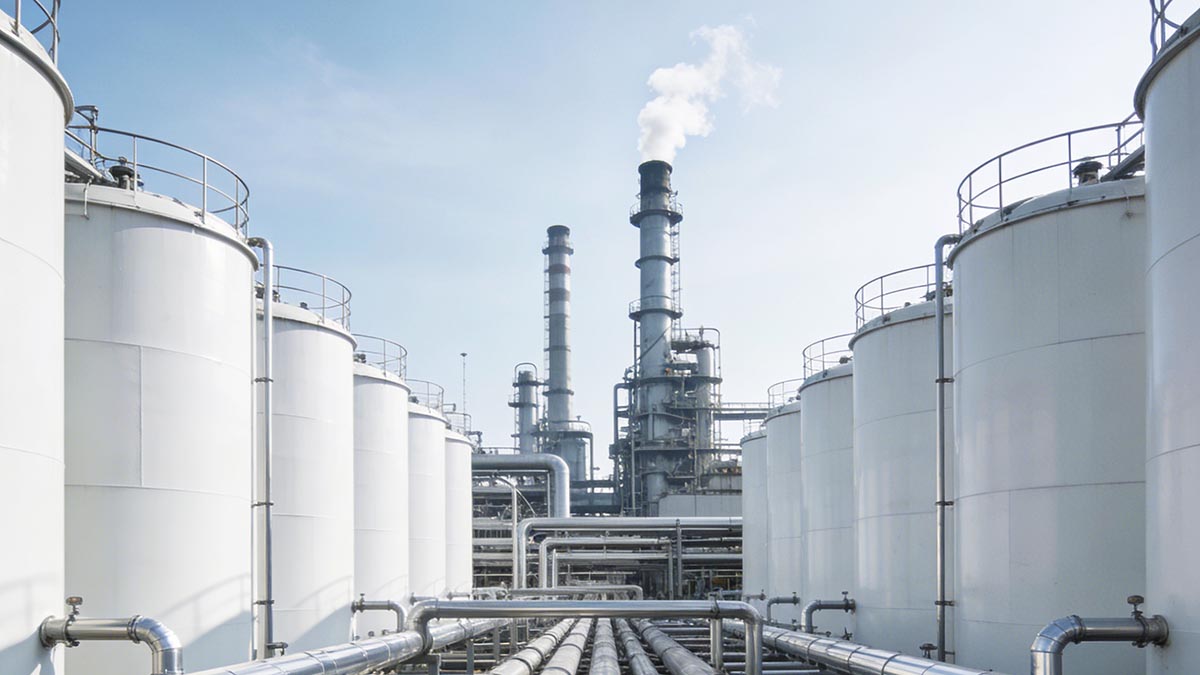
China Polyethylene Capacity to Top 45m Tonnes in 2026
China's polyethylene capacity will exceed 45 million tonnes in 2026 as new supply surges, margins diverge across feedstocks, and demand recovery lags behind rapid industry expansion.
-
24 Feb 2026
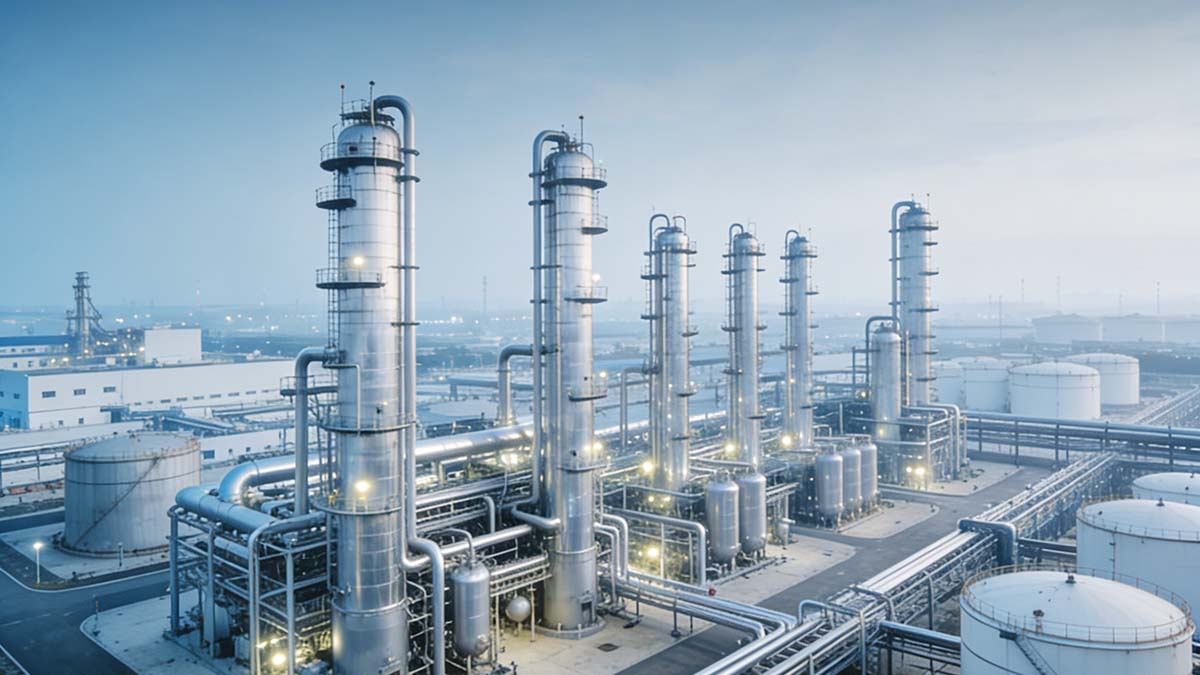
Europe Chlorine Output Down 5.14% in Dec 2025
Europe's chlorine production fell 5.14% year on year in December 2025, with full-year output down 3.14%, while plant operating rates improved and caustic soda inventories showed mixed trends.
-
23 Feb 2026
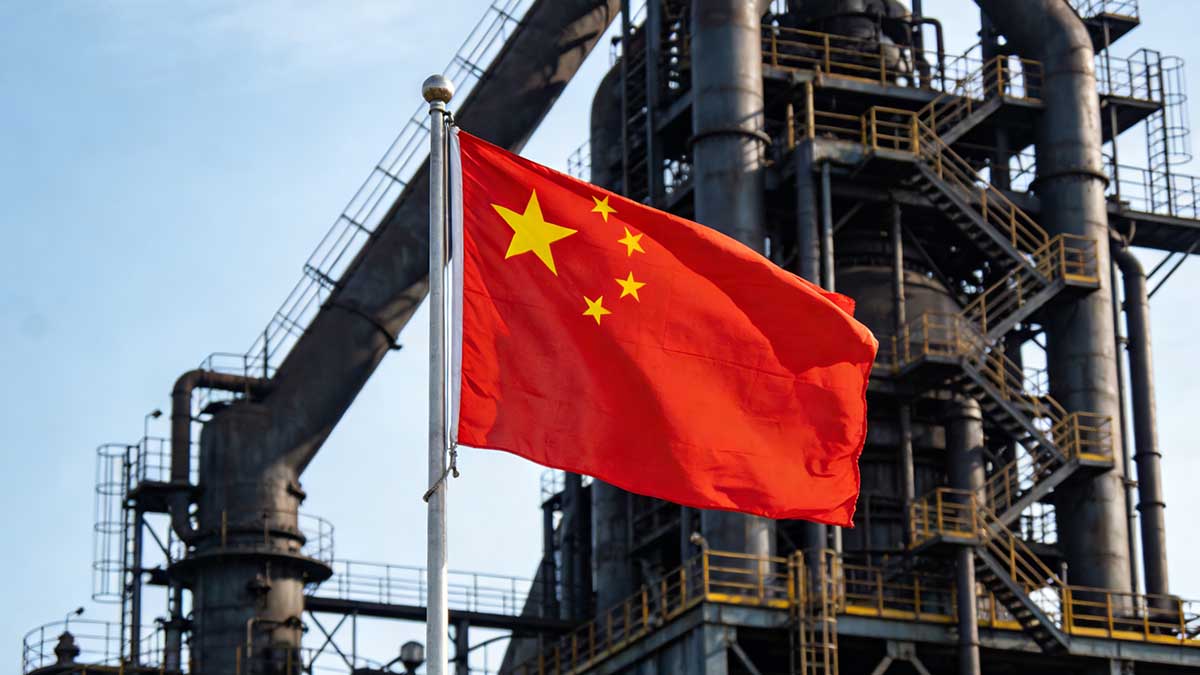
China's Coal Chemical Industry Surges on Green Transition and High-End Expansion
Amid global energy market volatility, China's coal chemical industry is boosting capacity, improving profitability and advancing green, low-carbon, high-end development to strengthen energy and supply chain security.
-
13 Feb 2026
China Chemical Market Prices Surge: Is a New Cycle Starting in 2026?
From late 2025, China's chemical prices soared over 50% in some products. Experts debate if 2026 marks a true industry boom or a short-term rebound amid cyclical adjustments.

-
13 Feb 2026
China Chemical Market 2025: Prices, Capacity & Profits
China's chemical market in 2025 saw widespread price declines and margin pressure as capacity expansion neared its end, with fertilizers outperforming while most sectors hit multi-year lows.
-
13 Feb 2026
Libya Oil Deal 2026: $20B Waha Field Revival
Following Libya's 2025 ceasefire, TotalEnergies and ConocoPhillips signed a $20B, 25-year Waha oil field deal, targeting 850,000 bpd and accelerating Libya's plan to reach 2 million bpd by 2030.

-
12 Feb 2026
ExxonMobil 2025 Earnings Soar as Resilient Growth Strategy Pays Off
ExxonMobil posts $332B revenue and $28.8B profit in 2025, driven by record upstream output, strong refining margins, and progress on low-carbon initiatives, setting stage for long-term growth.
-
12 Feb 2026
China's Propylene Oxide Trade Plummets in December 2025
China's imports and exports of propylene oxide plunged in December 2025, with Thailand dominating imports and Vietnam leading exports, while full-year 2025 trade fell sharply year-on-year.