
- Solution
- Trade Database
- Global
-
RCEP
- Australia Statistics
- China Statistics
- Indonesia
- Indonesia Order
- Indonesia Statistics
- Japan Importer/Exporter
- Japan Statistics
- Malaysia
- New Zealand Statistics
- Philippine
- RCEP-15 Mirror
- Singapore Statistics
- South Korea Import B/L
- South Korea Importer/Exporter
- South Korea Statistics
- Thailand Importer/Exporter
- Thailand Statistics
- Vietnam(VNGD)
- Asia
-
Europe
- Armenia
- Belgium Statistics
- British Importer/Exporter
- EU-27 Mirror
- EU-27 Statistics
- France Statistics
- Germany Statistics
- Italy Statistics
- Kosovo, Serbia
- Moldova
- Netherlands Statistics
- Poland Statistics
- Russia
- Russian Railway
- Russian Railway Domestic Trade
- Russian Railway Transit
- Spanish Importer/Exporter
- Sweden Statistics
- Turkey
- Turkey Order
- Turkey Transit
- Ukraine
- Ukraine Adv
- United Kingdom Statistics
-
America
- Argentina
- Bolivia
- Brazil
- Brazil B/L
- Brazil Statistics
- Chile
- Chile New
- Colombia
- Costa Rica
- Dominican
- Ecuador
- Guatemala
- Guyana
- Mexico (Air)
- Mexico (All Transportation)
- Mexico (Maritime)
- Nicaragua
- Nicaragua Weekly
- Panama
- Paraguay
- Peru
- Peru B/L (Air + Sea)
- Uruguay
- US B/L (Daily)
- US B/L (Weekly)
- Venezuela
- Venezuela Bills
- Africa
- Media
- Contact Intelligence
- Get a Trial
Please Sign in to view recently saved searches
Global Trade
About Global Trade global trade information, exclusive product market analysis, hot news and reports.
-
26 Jun 2026
Emerging Markets Drive Global Trade Growth in 2026
Explore how India, Poland, Africa, ASEAN, and Brazil are driving global trade growth in 2026, creating new opportunities across supply chains, manufacturing, and international commerce.

-
26 Jun 2026
Global Trade 2026 Outlook: Signals Behind 2025 Distortions
2025 trade data is distorted by stockpiling, pricing shifts, and geopolitical repositioning. 2026 will reveal structural demand, AI-driven trade, and supply chain realignment.

-
25 Jun 2026
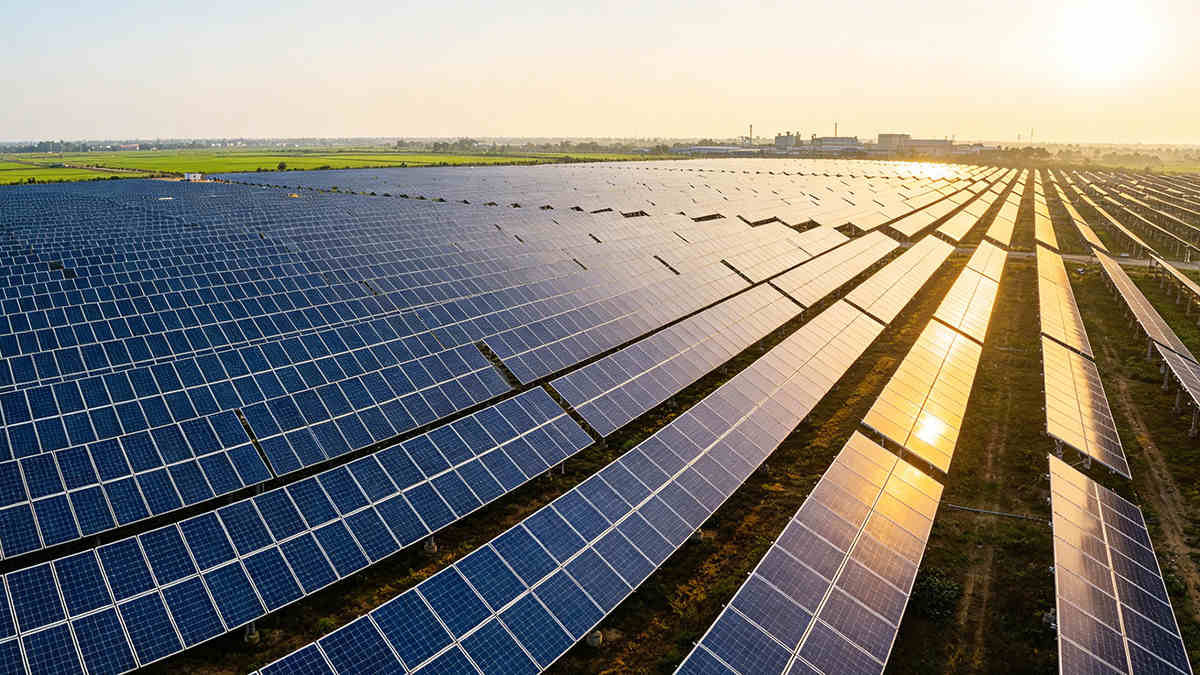
Bangladesh Eliminates Solar Import Taxes to Accelerate Clean Energy Growth
Bangladesh has cut all import duties and taxes on solar equipment to zero through 2031, aiming to boost renewable energy investment, lower project costs, and expand solar deployment nationwide.
-
25 Jun 2026
Global Oil Storage Expansion Could Drive 1 Billion Barrel Demand
Countries are expanding strategic oil reserves after the Strait of Hormuz disruption, with global storage projects and inventory replenishment potentially absorbing 1 billion barrels.

-
25 Jun 2026
Suez Canal Raises Vessel Surcharges as Shipping Traffic Recovers
The Suez Canal Authority will increase temporary surcharges for most vessel types from July 15, 2026, as Egypt seeks to boost revenue amid a gradual recovery in canal traffic.

-
24 Jun 2026
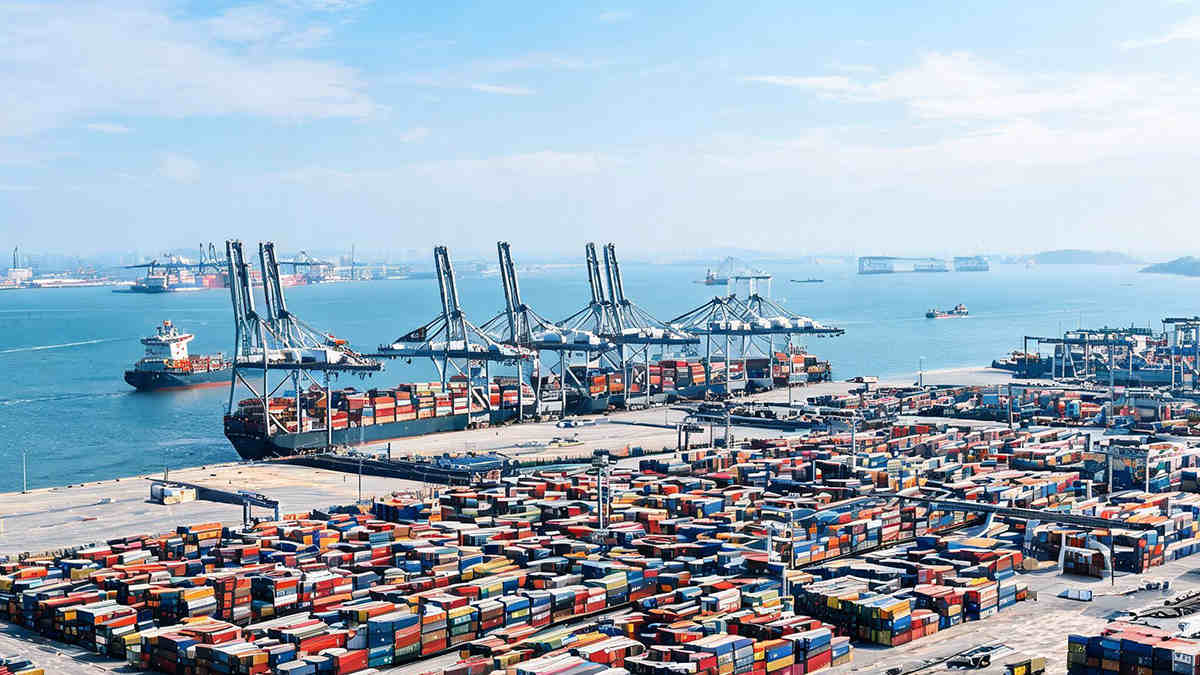
China Chloroacetic Acid Exports Jump 41.8% in April 2026
China's chloroacetic acid exports surged 41.8% year-on-year in April 2026, while imports rose 4.9%, with Turkey, Mexico, and South Korea remaining key export markets.
-
23 Jun 2026
China TCE and PCE Exports Rise in Early 2026 Despite April Slowdown
China's trichloroethylene and tetrachloroethylene exports increased in January-April 2026, with India and the UAE remaining the top overseas markets despite weaker April shipments.

-
23 Jun 2026
Asian Petrochemicals Face Demand Pressure After Oil Price Drop
As Middle East tensions ease and energy supplies recover, Asian petrochemical markets may see lower feedstock costs but face mounting pressure from weak demand and overcapacity.

-
22 Jun 2026
China Chemical Industry Sets Global Capacity and Technology Records
China's chemical industry has achieved a series of world-leading capacity expansions and technology breakthroughs, strengthening its position across petrochemicals, coal chemicals and advanced materials.

-
22 Jun 2026
US-Iran Talks Make Progress as 60-Day Deal Roadmap Agreed
The United States and Iran agreed to a 60-day roadmap toward a final deal during talks in Switzerland, while mediators Qatar and Pakistan outlined next steps for negotiations.

-
16 Jun 2026
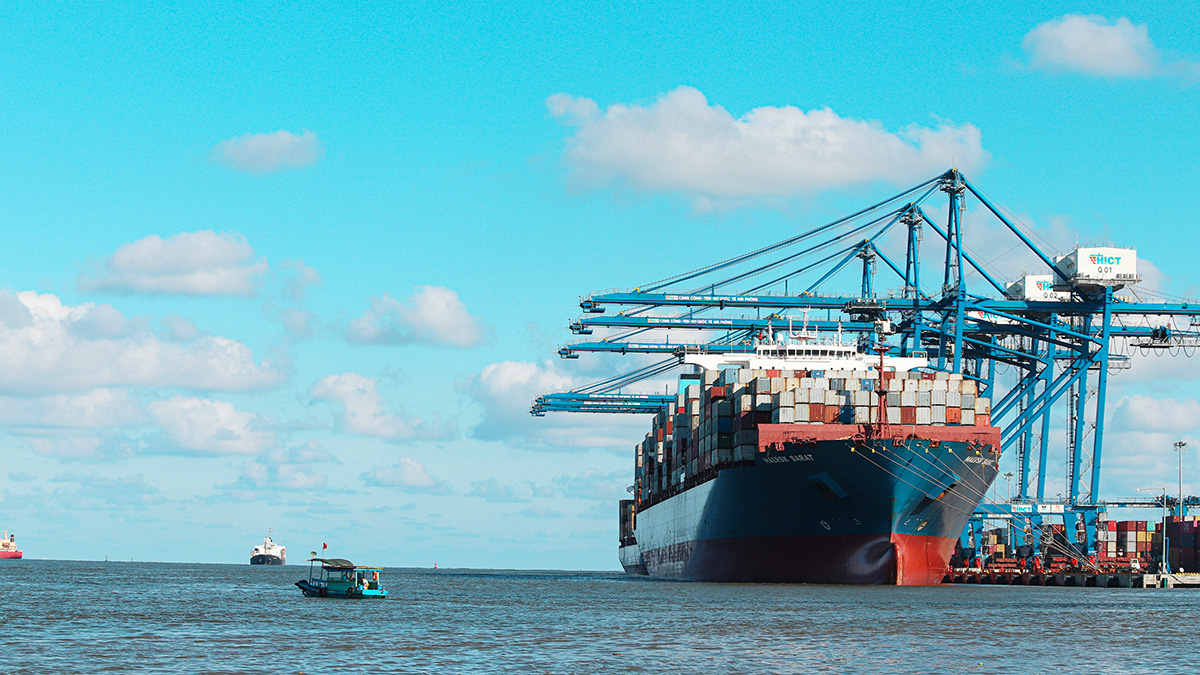
China Hydrochloric Acid Exports Jump 68.3% in Jan-Apr 2026
China's hydrochloric acid exports surged 68.3% in January-April 2026, while imports declined. Indonesia remained the top export destination.
-
11 Jun 2026
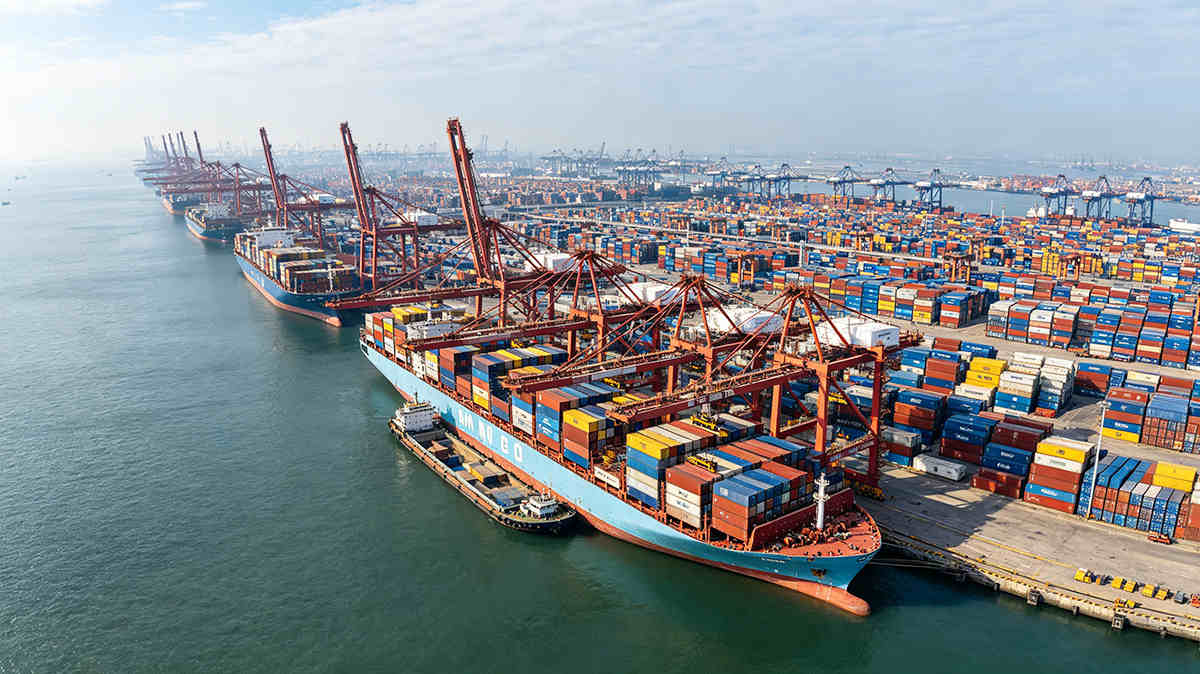
China's Trade Surges 15.3% in Jan-May 2026 as Imports Jump
China's foreign trade grew 15.3% year-on-year in the first five months of 2026, with imports rising 20.5%, driven by strong demand for machinery and regional trade growth.
-
10 Jun 2026
China Titanium Dioxide Prices Rise in Fifth Industry-Wide Hike
China's titanium dioxide producers launched a fifth round of price hikes in 2026 as soaring sulfur costs and resilient exports support market prices despite seasonal demand risks.

-
10 Jun 2026
U.S. Trade Deficit Narrows as Housing Market Gains Momentum
The U.S. trade deficit narrowed in April on stronger energy exports, while housing sales rose and consumer confidence weakened amid persistent inflation pressures.

-
09 Jun 2026
How the Global Trade Landscape Is Being Transformed
From surging services trade to the rise of developing economies, global trade is undergoing a structural shift redrawing the map of international commerce.

-
09 Jun 2026
THAIFEX - ANUGA ASIA 2026: A PRIORITY SHOW FOR INTERNATIONAL MARKETS SEEKING SOURCING DIVERSIFICATION AND GLOBAL GROWTH
THAIFEX – Anuga Asia 2026 closed with record participation, reinforcing its position as a leading global food sourcing hub where international buyers and suppliers forge new partnerships and long-term trade opportunities.

-
04 Jun 2026
Global Trade Disruptions Rise as Freight Costs Surge in May 2026
Ocean freight rates jumped over 70% in May 2026 as U.S.-China trade talks yielded an 18-month pause, Brazil port strikes hit, and Hormuz Strait tensions disrupted global shipping.

-
02 Jun 2026
China Manufacturing and Industrial Profits Surge in January-April
China's industrial profits rose 18.2% in the first four months of the year, led by manufacturing, electronics and metals, with April growth accelerating to 24.7%.
-
22 May 2026
China Surpasses U.S. as Top Foreign Investor in Germany in 2025
China overtook the United States as Germany's top source of foreign investment projects in 2025, posting a 14.6% gain even as global cross-border investment volumes fell nearly 10%, a new government report showed.

-
22 May 2026
China April Benzene Imports Hit 440,600 Tons, Beat Forecasts
China's pure benzene imports surged to 440,600 metric tons in April 2026, defying market expectations of below 400,000 tons, as a sharp rise in Indian shipments offset declines from South Korea.

-
21 May 2026
China, U.S. Seal Sweeping Trade Deal With Boeing Order, Tariff Cuts
China and the United States struck a wide-ranging preliminary trade agreement covering tariffs, agriculture, rare earths and a 200-aircraft Boeing deal, following high-level talks in Seoul and Beijing.
-
19 May 2026
China Industrial Output Up 4.1% in April, Tech Sector Leads
China's above-scale industrial output grew 4.1% year-on-year in April, NBS data showed May 18, with electronics surging 15.6% and autos up 9.2%, while cement and steel output declined.
-
18 May 2026
U.S.-China Summit 2025: 10 Business Outcomes Explained
From soybeans to semiconductors, Boeing to LNG — here's a factual breakdown of what the U.S.-China summit actually produced and what it means for global trade.
-
15 May 2026
China Titanium Dioxide Exports Rise on Chloride-Process Demand
China's titanium dioxide exports climbed in Q1 2026 as chloride-process products gained global market share amid rising prices, anti-dumping probes, and tightening supply chains.

-
14 May 2026
Xi and Trump Meet in Beijing, Agree on New U.S.-China Framework
Xi Jinping and Donald Trump held a summit in Beijing on May 14, pledging a new "constructive strategic stable" framework to guide U.S.-China relations for the next three years.

-
12 May 2026
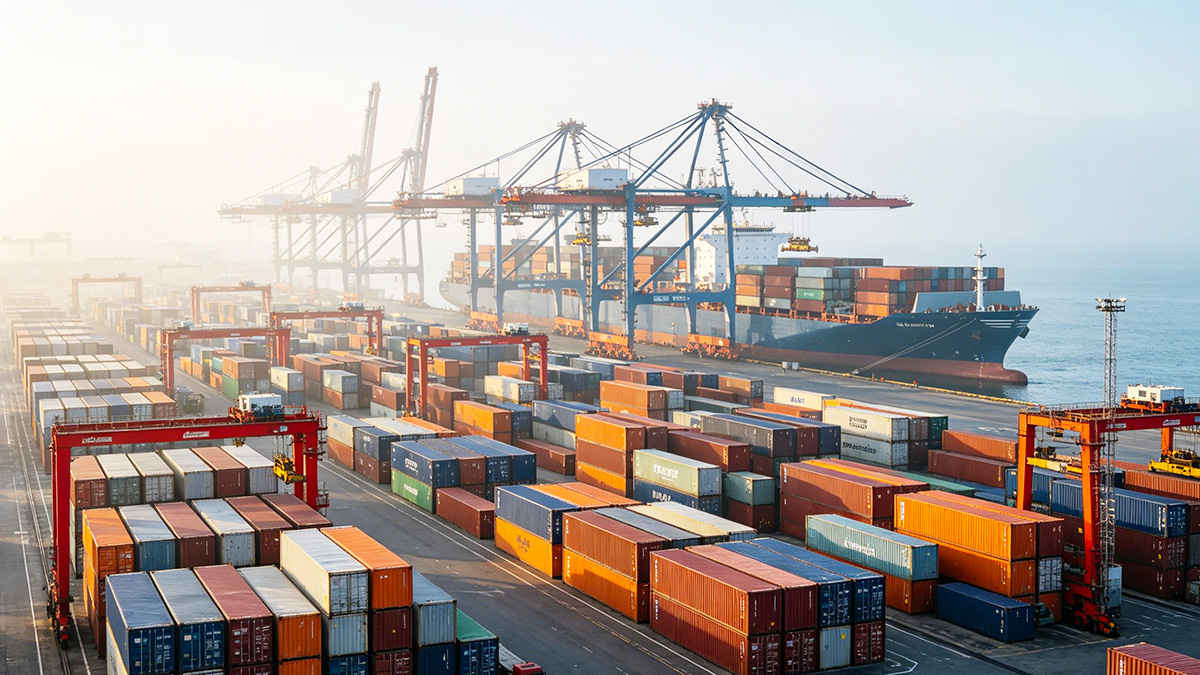
China's Foreign Trade Jumps 14.9% in Jan-April 2026
China's imports and exports rose strongly in the first four months of 2026, driven by robust import demand and expanding trade with ASEAN and Belt and Road partners.
-
12 May 2026
FTI Officially Supports IME 2026
Thailand's FTI has officially backed IME 2026, strengthening China–Thailand industrial cooperation and accelerating intelligent manufacturing expansion across Thailand and the wider ASEAN market.

-
09 May 2026
AgraME Becomes GROWTECH. MIDDLE EAST, Uniting Regional Legacy with Global Agri-Tech Power
After 17 years as the GCC's leading agricultural trade platform, rebrands as GROWTECH. MIDDLE EAST, joining a global network to connect agricultural innovation across regions.

-
09 May 2026
China Pharma Trade Up 4.22% in Q1 2026 as Exports Lead Growth
China's pharmaceutical trade reached $49.13B in Q1 2026, up 4.22% YoY, with exports rising faster than imports as medical devices and drug formulations drove growth and boosted global competitiveness.

-
08 May 2026
China Styrene Output Surges as April Operating Rates Hit 2026 High
China's styrene operating rates climbed to the highest level of 2026 in April, with output rising 19.36% year-on-year, while May production is expected to decline due to major maintenance shutdowns.