- Solution
- Trade Database
- Global
-
RCEP
- Australia Statistics
- China Statistics
- Indonesia
- Indonesia Order
- Indonesia Statistics
- Japan Importer/Exporter
- Japan Statistics
- Malaysia
- New Zealand Statistics
- Philippine
- RCEP-15 Mirror
- Singapore Statistics
- South Korea Import B/L
- South Korea Importer/Exporter
- South Korea Statistics
- Thailand Importer/Exporter
- Thailand Statistics
- Vietnam(VNGD)
- Asia
-
Europe
- Armenia
- Belgium Statistics
- British Importer/Exporter
- EU-27 Mirror
- EU-27 Statistics
- France Statistics
- Germany Statistics
- Italy Statistics
- Kosovo, Serbia
- Moldova
- Netherlands Statistics
- Poland Statistics
- Russia
- Russian Railway
- Russian Railway Domestic Trade
- Russian Railway Transit
- Spanish Importer/Exporter
- Sweden Statistics
- Turkey
- Turkey Order
- Turkey Transit
- Ukraine
- Ukraine Adv
- United Kingdom Statistics
-
America
- Argentina
- Bolivia
- Brazil
- Brazil B/L
- Brazil Statistics
- Chile
- Chile New
- Colombia
- Costa Rica
- Dominican
- Ecuador
- Guatemala
- Guyana
- Mexico (Air)
- Mexico (All Transportation)
- Mexico (Maritime)
- Nicaragua
- Nicaragua Weekly
- Panama
- Paraguay
- Peru
- Peru B/L (Air + Sea)
- Uruguay
- US B/L (Daily)
- US B/L (Weekly)
- Venezuela
- Venezuela Bills
- Africa
- Media
- Contact Intelligence
- Get a Trial
Please Sign in to view recently saved searches
Petroleum
About Petroleum global trade information, exclusive product market analysis, hot news and reports.
-
10 Mar 2026
Oil Prices Reverse Sharply as Middle East Tensions Ease
Global oil prices plunged after a rapid surge as expectations of easing Middle East tensions erased the geopolitical premium, sending WTI and Brent crude sharply lower within 24 hours.

-
09 Mar 2026
Oil Surges Above $100 as Iran Strikes Disrupt Hormuz Shipping
Oil prices jumped over 20% and briefly topped $100 a barrel after Israeli strikes on Iranian oil facilities disrupted tanker traffic through the Strait of Hormuz, shaking global markets and lifting energy stocks.

-
06 Mar 2026
Middle East Conflict Sends Global Oil Prices Soaring
Oil prices jumped sharply as escalating Middle East tensions raised fears of supply disruptions, with U.S. crude posting its biggest one-day gain since 2020 and gasoline prices rising nationwide.

-
27 Feb 2026
US–Iran Geneva Talks Put Global Oil Prices on Edge
As US–Iran negotiations resume in Geneva, Brent holds near $71 and WTI trades at $65–66, with markets pricing in a $7–10 geopolitical risk premium tied to sanctions and Strait of Hormuz supply risks.
-
13 Feb 2026
Libya Oil Deal 2026: $20B Waha Field Revival
Following Libya's 2025 ceasefire, TotalEnergies and ConocoPhillips signed a $20B, 25-year Waha oil field deal, targeting 850,000 bpd and accelerating Libya's plan to reach 2 million bpd by 2030.
-
10 Feb 2026
Global Oil Market Braces for Record Oversupply and Volatility in 2026
Weak global growth, surging oil supply and geopolitical uncertainty are set to push the 2026 oil market into a record imbalance, keeping crude prices low while fueling extreme volatility.

-
05 Feb 2026
Mubadala's Pivot Opens New Opportunities for Chinese Firms in the UAE
As Abu Dhabi's Mubadala shifts investment toward AI, green energy and digital infrastructure, the UAE's post-oil strategy is creating fresh openings for Chinese companies across energy, technology and logistics.

-
04 Feb 2026
China Think Tank: Global Oil and Gas Face Six Shifts in 2025
China's leading energy think tank says the global oil and gas industry is undergoing six major shifts in 2025, while China's eight stabilizing trends are reinforcing energy security and growth amid rising uncertainty.
-
23 Jan 2026
Russian Urals Crude to China Hits Record Low as India Cuts Demand
Russian Urals crude prices to China have fallen to record lows as weaker Indian demand and US sanctions pressure exports, boosting Chinese imports and reshaping Russia's oil trade flows.

-
20 Jan 2026
U.S. Strike on Venezuela: Implications for China's Oil and Chemical Trade
The U.S. military action in Venezuela has disrupted oil exports and drawn global attention, raising questions over China's crude supply and chemical trade, though analysts see limited long-term impact on China's market.
-
16 Jan 2026
Iran Unrest Puts Pressure on Global Chemical and Fertilizer Markets
Escalating social unrest in Iran is disrupting chemical production and exports, raising supply risks across methanol, ethylene glycol, PX and urea markets while intensifying global price and trade uncertainties.

-
16 Jan 2026
U.S. Cuts Tariffs on Taiwan, China in New Trade Agreement
The United States has reached a trade agreement with Taiwan, China, cutting reciprocal tariffs to 15%, granting sector-specific exemptions, and linking tariff relief to major semiconductor investment commitments in the U.S.

-
15 Jan 2026
Iran Sees Record Oil Export Growth Despite Sanctions, Data Show
Iran reported record growth in oil exports over the past 14 months, underscoring its resilience under sanctions and raising renewed attention on global supply balances and Middle East shipping risks.

-
13 Jan 2026
Trump Urges U.S. Oil Giants to Invest in Venezuela, Faces Pushback
Trump says U.S. oil firms could help control over half of global oil if they re-enter Venezuela, but industry leaders warn investment needs major reforms first.
-
08 Jan 2026
Venezuela Oil Exports Collapse to Near Zero as US Sanctions Bite
Venezuela's oil exports have plunged to near zero, triggering emergency production cuts and escalating fears of deeper economic turmoil.
-
06 Jan 2026
OPEC+ Eight to Maintain Oil Output Levels Through March 2026
OPEC+ has agreed to keep oil production steady through March 2026, signaling a cautious approach as seasonal factors and market balance remain in focus.
-
06 Jan 2026
ExxonMobil to Close Scotland Ethylene Plant in 2026 as Europe Exit Deepens
ExxonMobil's planned shutdown of a major Scottish ethylene plant highlights the mounting pressures reshaping Europe's energy and petrochemical industry.
-
05 Jan 2026
Occidental Petroleum Completes $9.7bn OxyChem Acquisition
Occidental Petroleum has closed its US$9.7 billion OxyChem deal, a move set to reshape its balance sheet and the U.S. chemicals landscape.
-
05 Jan 2026
Trump's Venezuela Strike Shakes Oil Markets but Global Impact Limited
As President Trump's sudden military move in Venezuela rattles markets and halts oil exports, investors and Asian buyers are racing to assess whether the world's largest proven reserves could become the next global energy flashpoint.

-
25 Dec 2025
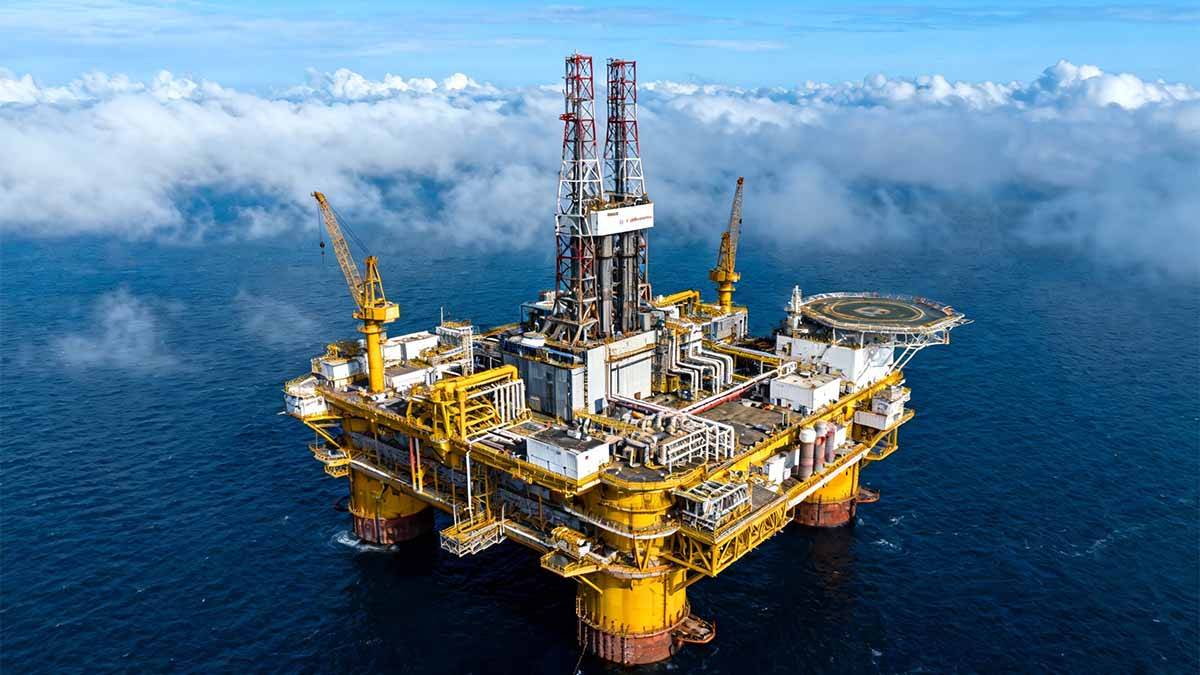
China's Offshore Energy to Drive Oil Output Growth as Production Nears 68 Million Tonnes by 2025
By 2025, China's offshore oil output is projected to reach 68 million tonnes — accounting for about 80% of national production growth — underpinned by deepwater discoveries, offshore gas and LNG expansion, and accelerating offshore wind development.
-
25 Dec 2025
China Discovers Seventh Billion-Ton Oil and Gas Field in the Bohai Sea
CNOOC has announced the discovery of the Qinhuangdao 29-6 oilfield in the Bohai Sea, marking the seventh consecutive billion-ton oil and gas find since 2019 in China's largest crude oil production base.

-
24 Dec 2025
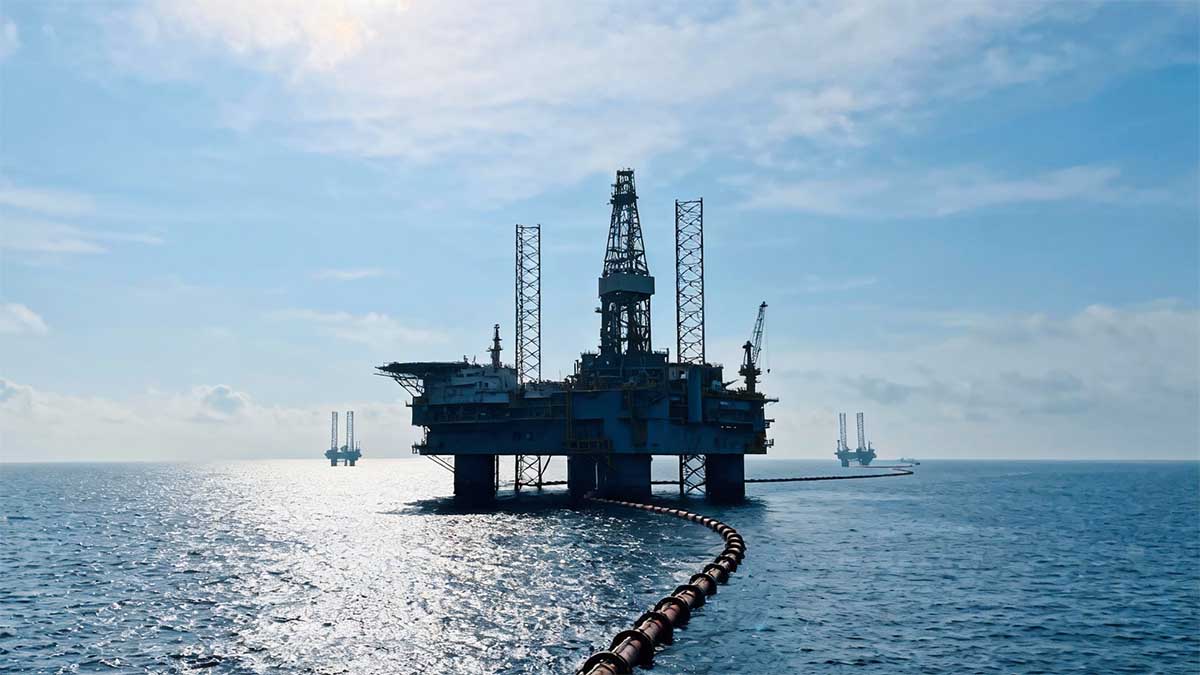
Bohai Oilfield Reaches 40 Million Tonnes Output Milestone, Setting New Record for China's Offshore Energy Sector
China's Bohai Oilfield has reached a historic production milestone through capacity expansion and technological innovation, solidifying its role as the backbone of China's offshore oil and gas supply and national energy security.
-
11 Dec 2025
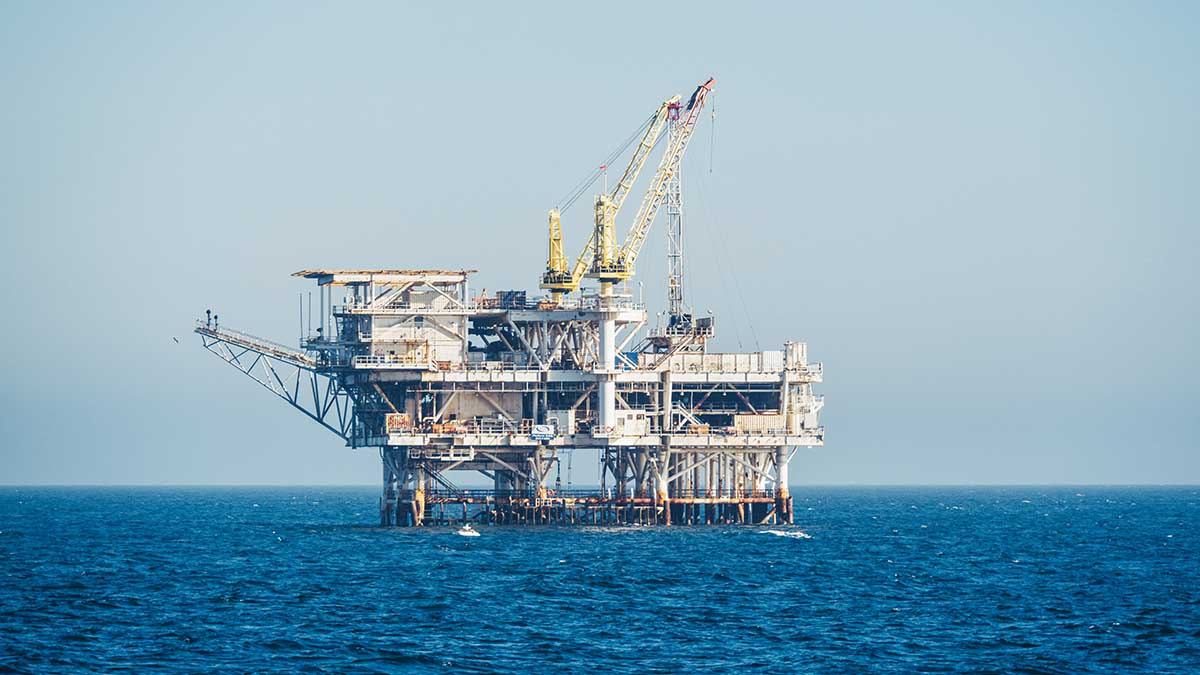
Venezuela's Deepening Oil Crisis Exposes Fragility Behind the World's Largest Reserves
Despite its vast oil reserves, Venezuela is sliding into a worsening oil crisis that threatens global energy stability.
-
11 Dec 2025
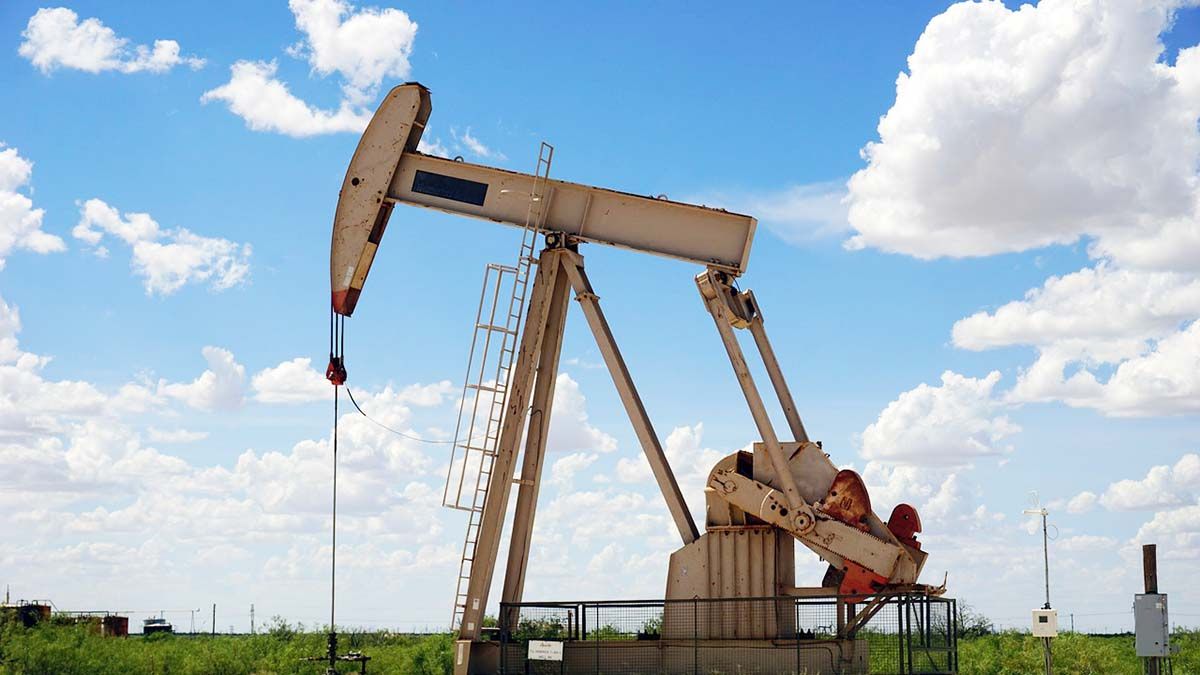
CNPC Completes Its First Million-Certificate Green Power Transaction
CNPC completed its largest-ever one-million green power certificate deal, marking a key milestone in its low-carbon transition.
-
10 Dec 2025
European Refiners Face Structural Squeeze as Oil Majors Cut Costs but Stay Bullish Long Term
European refineries are under growing pressure to pivot to cleaner fuels as oil majors cut jobs and spending despite confidence in long-term oil and gas demand.

-
08 Dec 2025
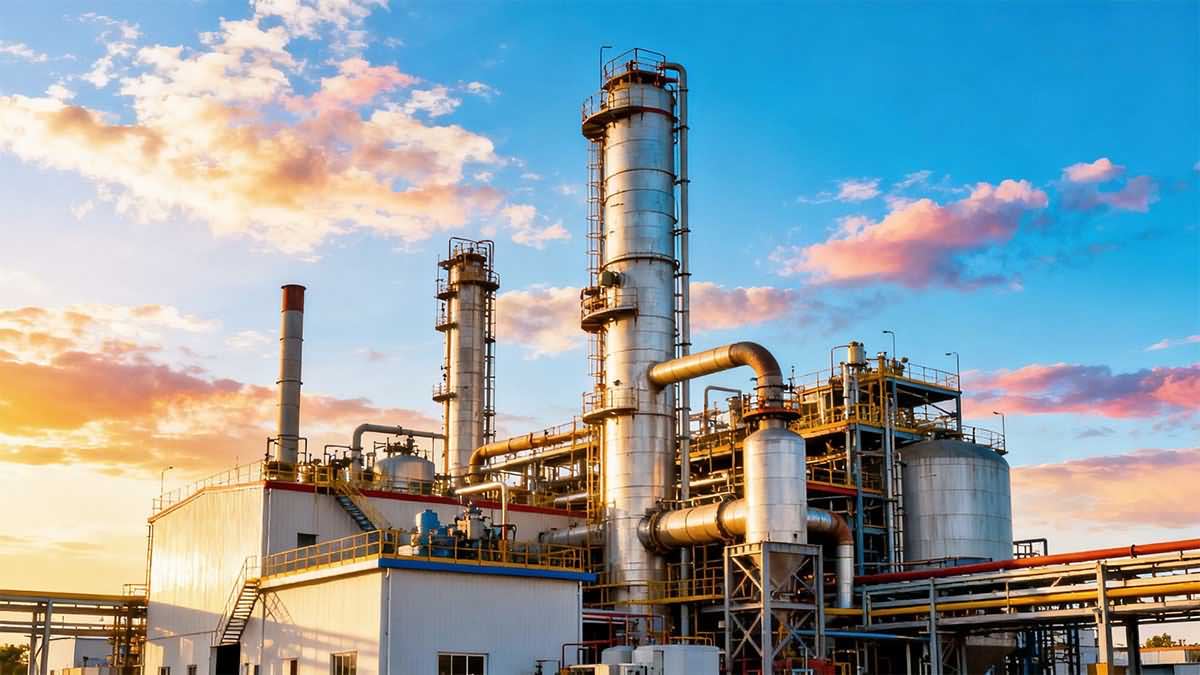
China's Petrochemical Industry Momentum Weakens in November as Demand Softens and Oil Prices Fall
China's Petroleum and Chemical Industry Prosperity Index fell to 97.21 in November, down 2.58 points month-on-month, ending two months of steady recovery.
-
04 Dec 2025
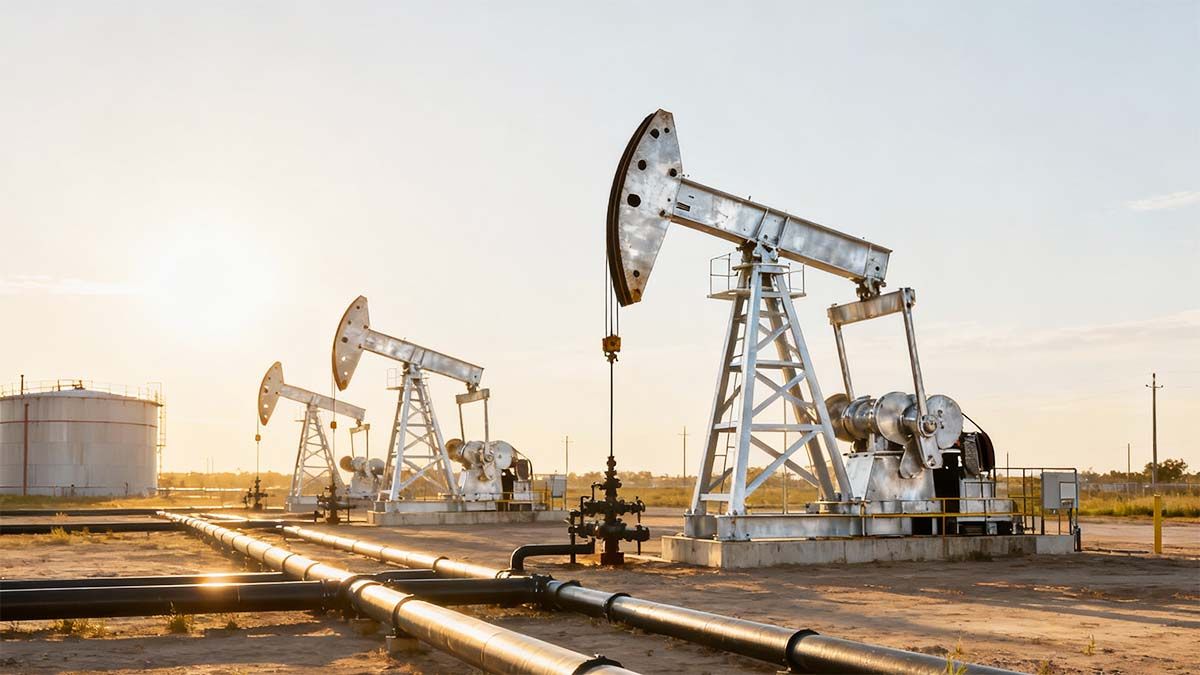
China's Changqing Oilfield Exceeds 60 Million Tonnes in Annual Output, Sustaining Six-Year Growth Momentum
China's Changqing Oilfield surpassed 60 million tonnes of annual oil and gas equivalent on 26 November, achieving six consecutive years of production growth since 2020.
-
03 Dec 2025
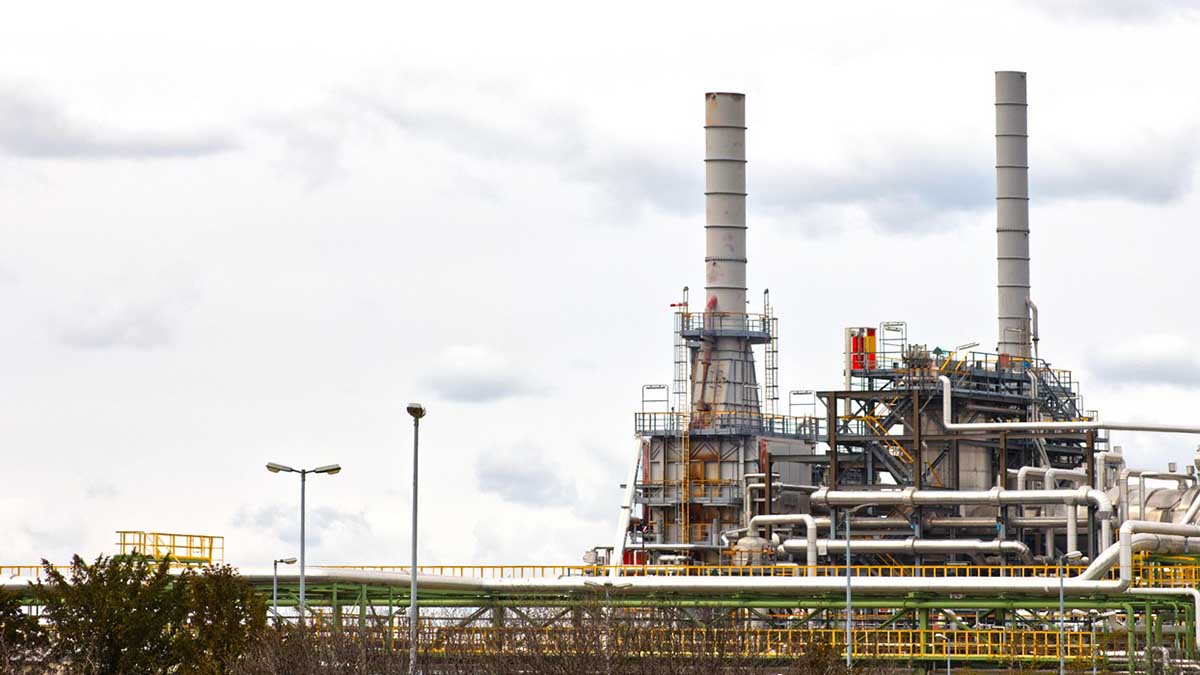
CNPC Dalian Petrochemical Relocation and Upgrading Project to Add 10 Million Tonnes/Year Refining Capacity
CNPC is set to launch its Dalian Petrochemical Relocation and Upgrading Project in 2026, boosting refining capacity by 10 million tonnes per year.
-
25 Nov 2025
China's Longest Crude Oil Pipeline Surpasses 200 Million Tons in Cumulative Transport
China's Western Crude Oil Pipeline Marks 18 Years of Safe Operation, Transporting Over 200 Million Tons of Oil.

-
20 Nov 2025
Sinopec Yanshan Launches ¥6 Billion Green Rubber Project as Tianjin Industrial Push Accelerates
Sinopec Yanshan Petrochemical has launched full-scale operations of its Nankang Green High-End Rubber Project in Tianjin after signing a strategic investment cooperation agreement with TEDA.